Craft as Method, Not Surface
In the current construction economy, architects often inherit a predetermined palette of industrially produced materials. Market logic dictates availability, convenience, and replication.
But architecture is not neutral and architects cannot be bystanders.
Each design decision has economic, cultural, and ecological consequences. If we continue to rely solely on manufactured finishes, we reinforce an extractive supply chain and diminish the living knowledge systems that enrich our built environment.
Craft does not simply add texture or ornament; it redefines the means of making. It slows down construction, demands skill, creates local employment, and repositions the architect not as a selector of products but as a collaborator, facilitator, and catalyst.
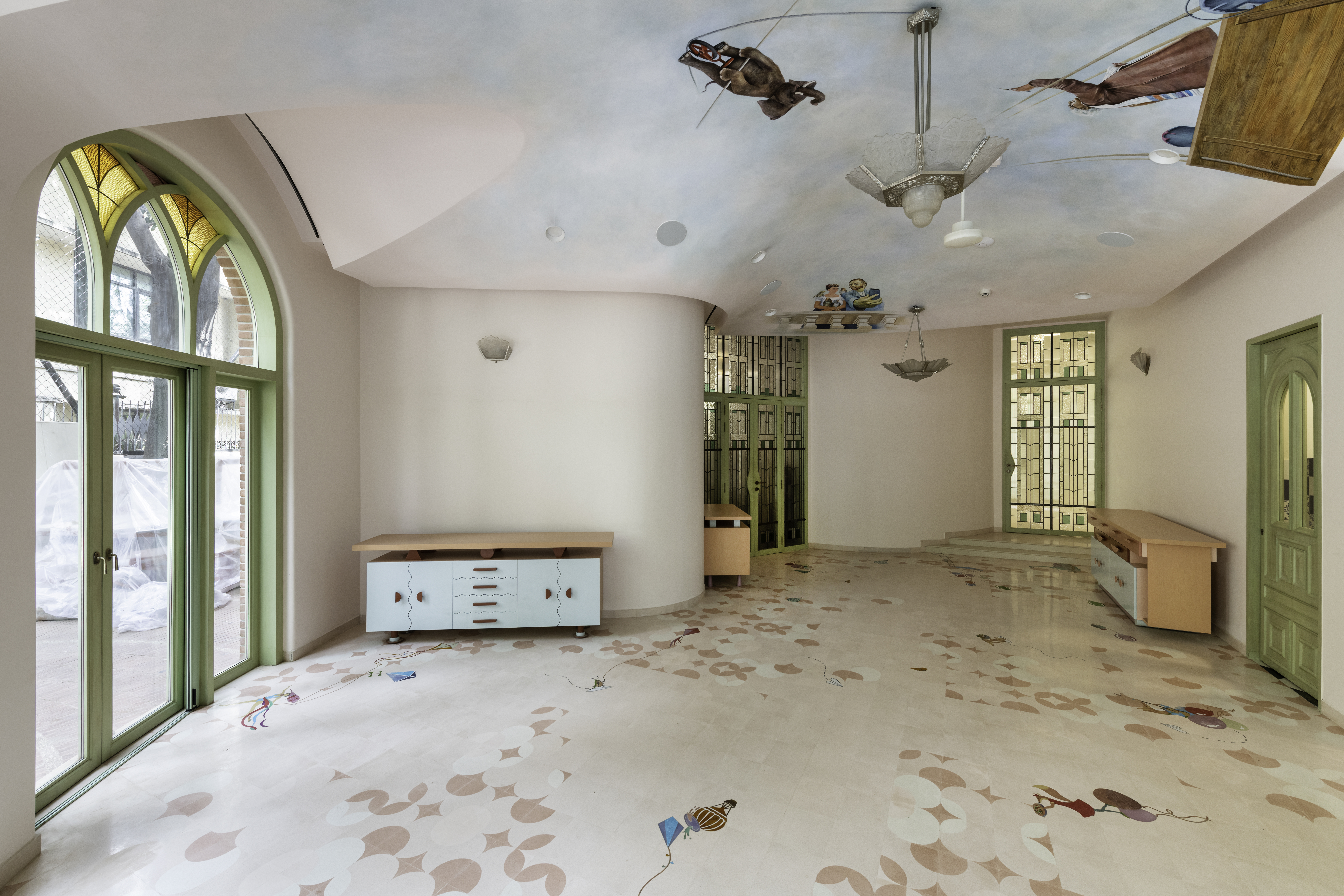
To integrate craft into the architecture of a home is to embed meaning at every scale, from the brick to the window, from the floor to the ceiling. It is to anchor architecture back into the realities of labour, time, knowledge, and community.
This manifesto is an argument for reclaiming craft as architecture, and for viewing the home, particularly the high-value home as a site where patronage can be reimagined as socio-cultural responsibility.
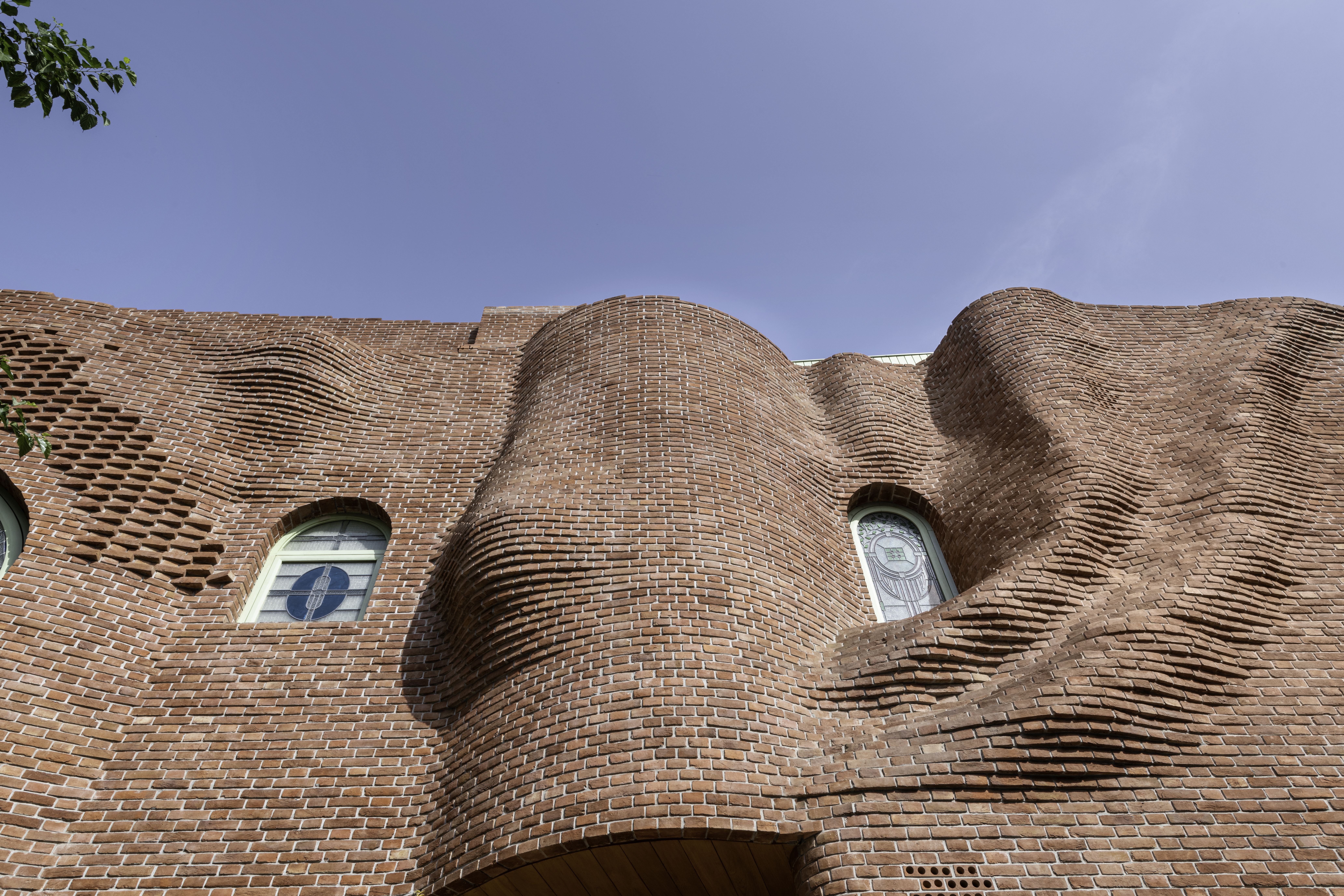
The 100,000 Brick House: Craft as Base-Build
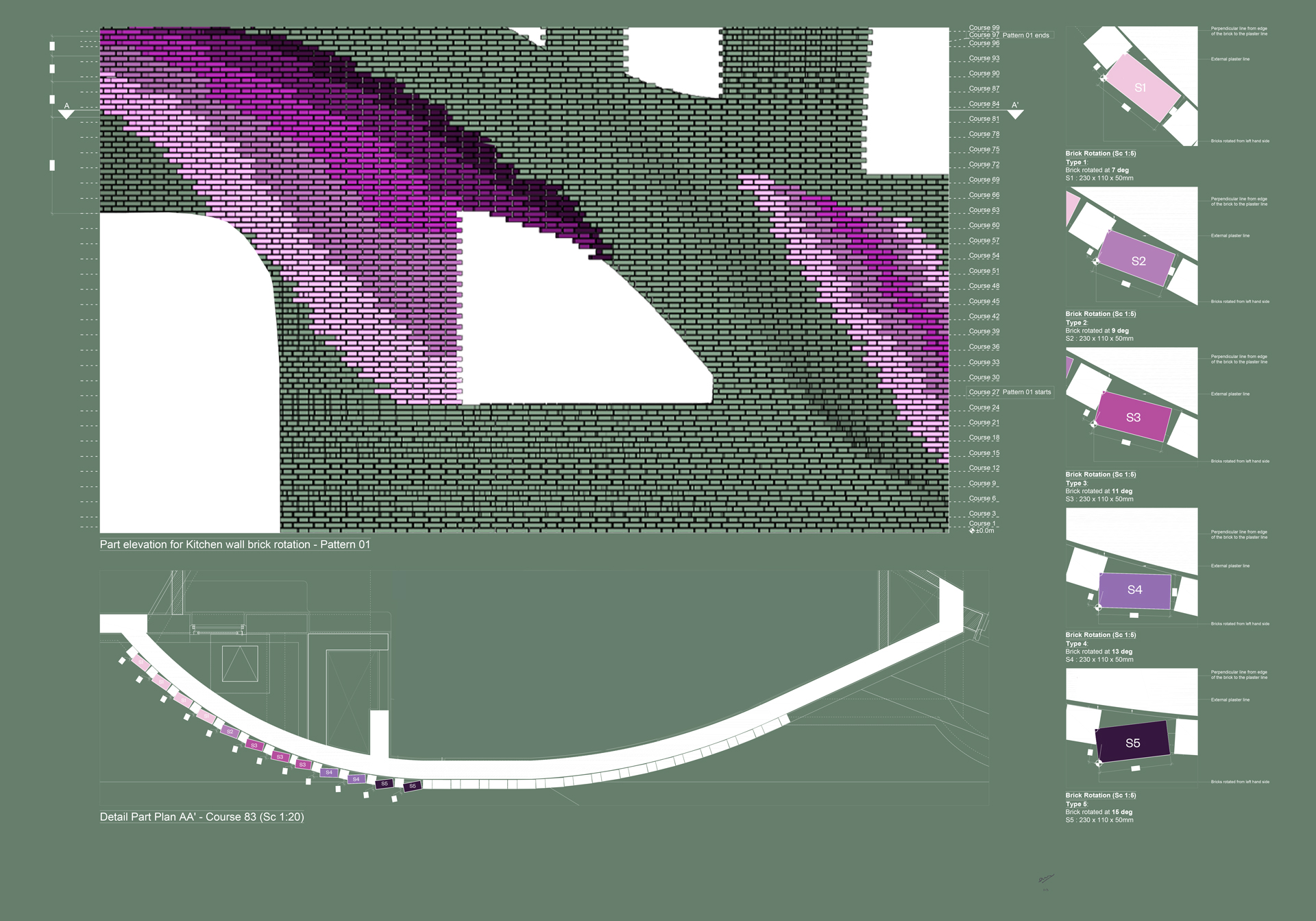
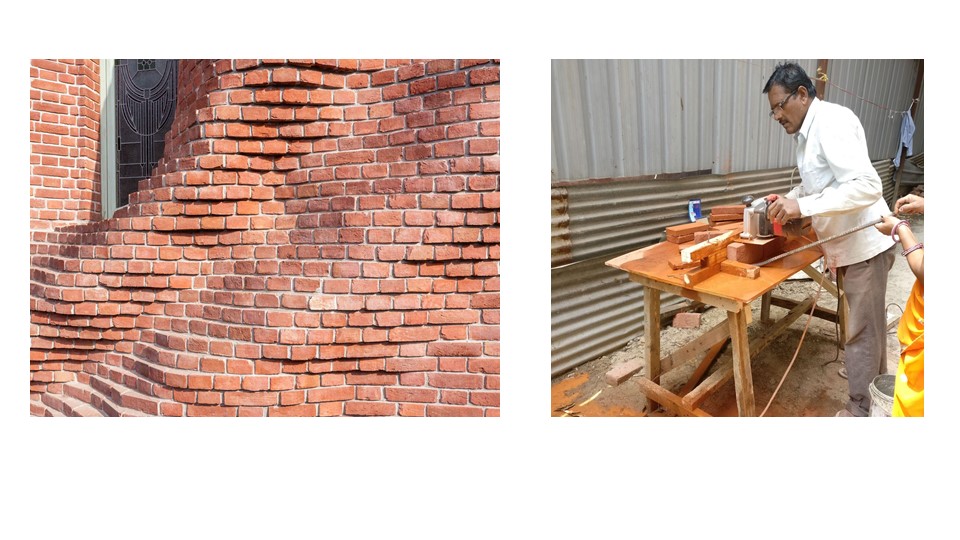
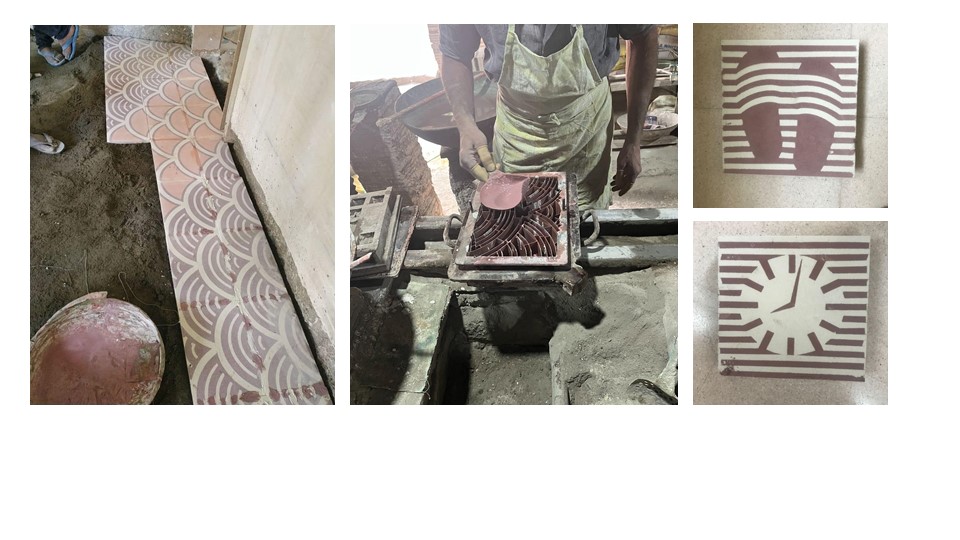
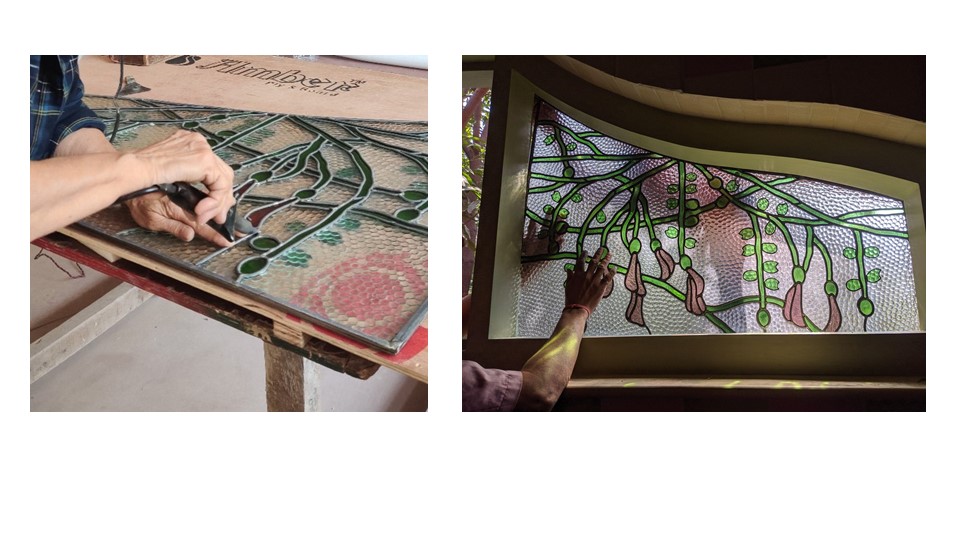
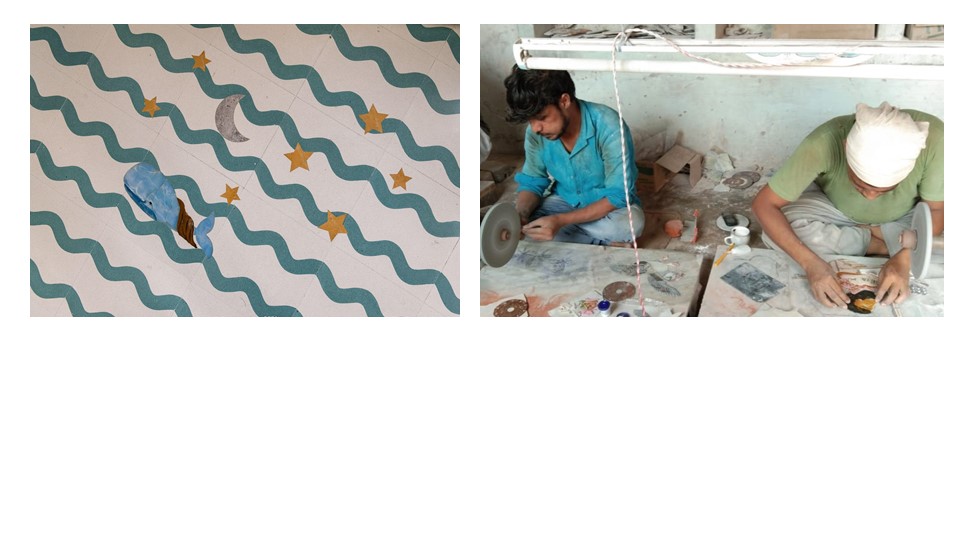
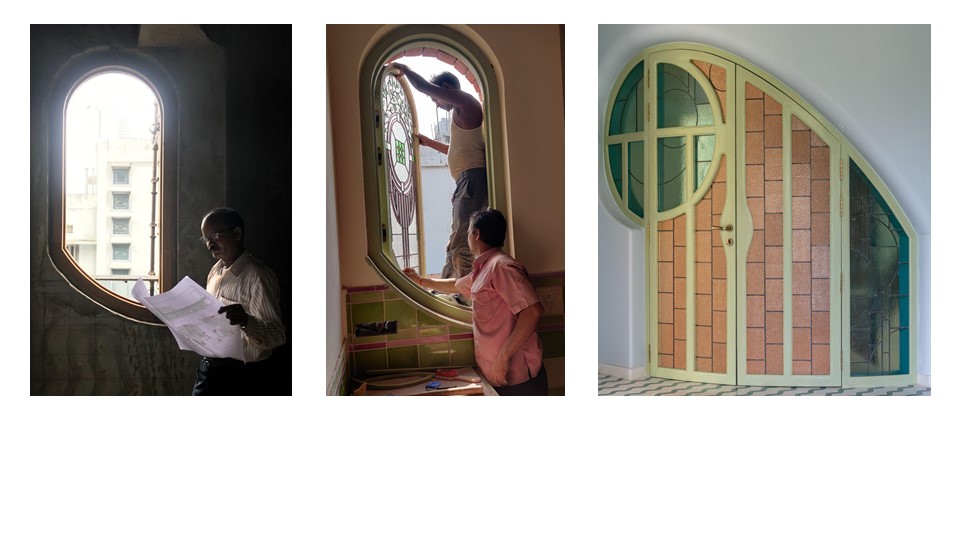
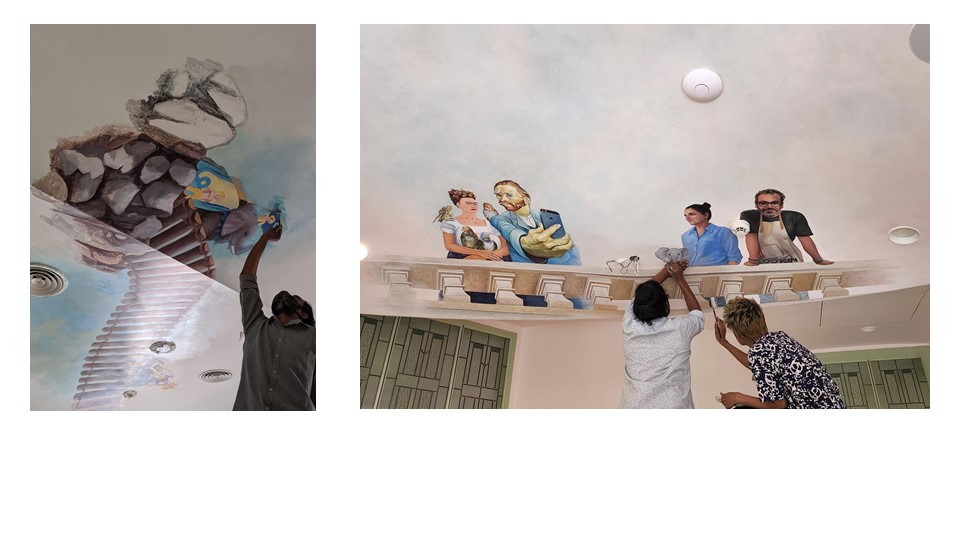
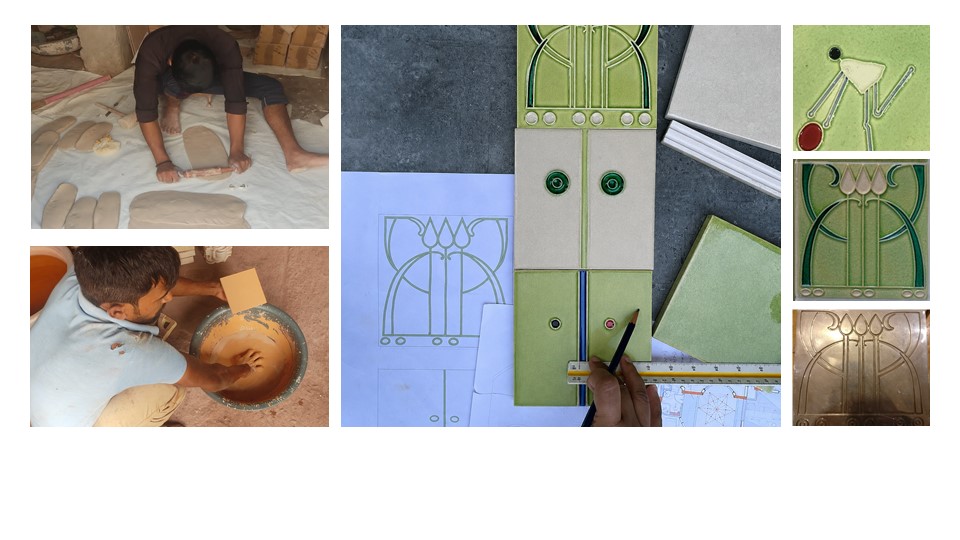
At LAB, the 100,000 Brick House became a test case for what it means to integrate craft not as decoration, but as structure, surface, and storytelling. Instead of relying on manufactured materials, the project became an ecosystem of craft collaborations, each one embedded in the base build. Across four years, the project supported at least seven distinct artisan communities : brick masons, stone inlayers, cement-tile makers, ceramic glaze artists, stained-glass makers, timber craftsmen, and mural painters.