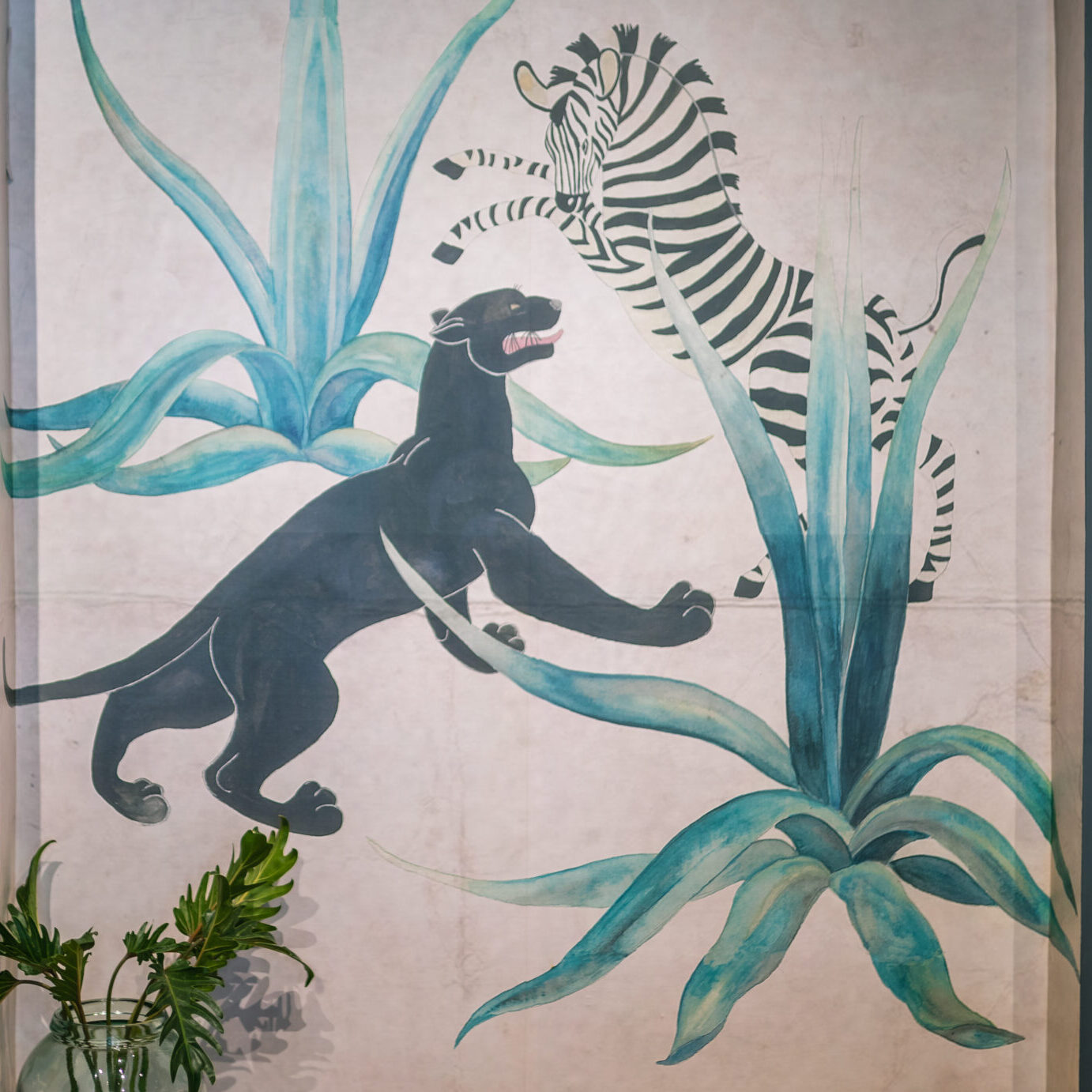
Designing for Nicobar meant more than fitting out a store—it meant inventing a spatial language. LAB collaborated closely with the brand to articulate a contemporary, tropical Indian vocabulary: one that could translate across cities and contexts while remaining coherent, warm, and unmistakably Nicobar.
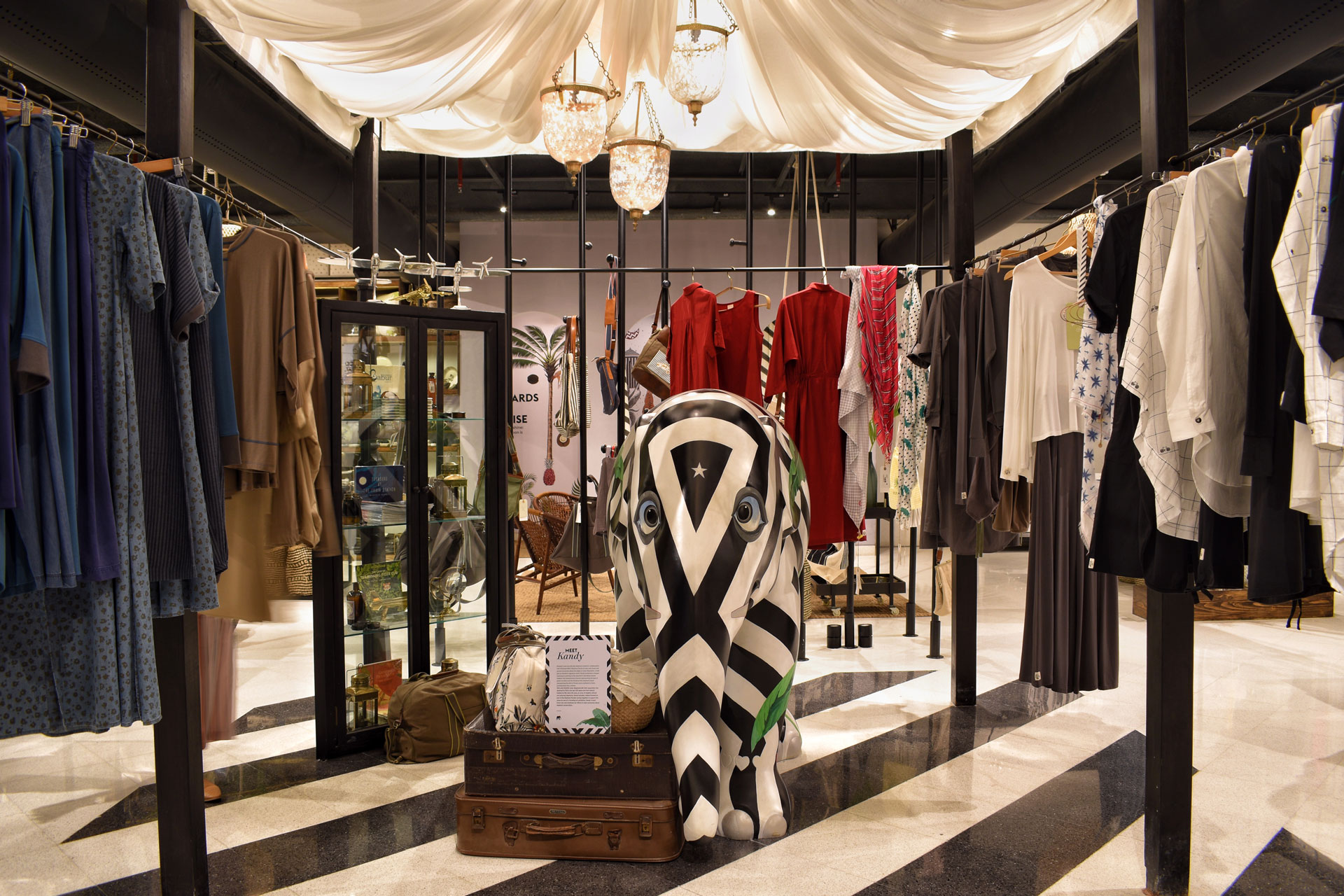
From the outset, the stores were imagined as places of dwelling rather than display—spaces that encourage pause, interaction, and storytelling. At Lavelle Road, Bangalore, The Chanakya in New Delhi, and other flagships, architecture becomes a framework for experience, programming, and community.
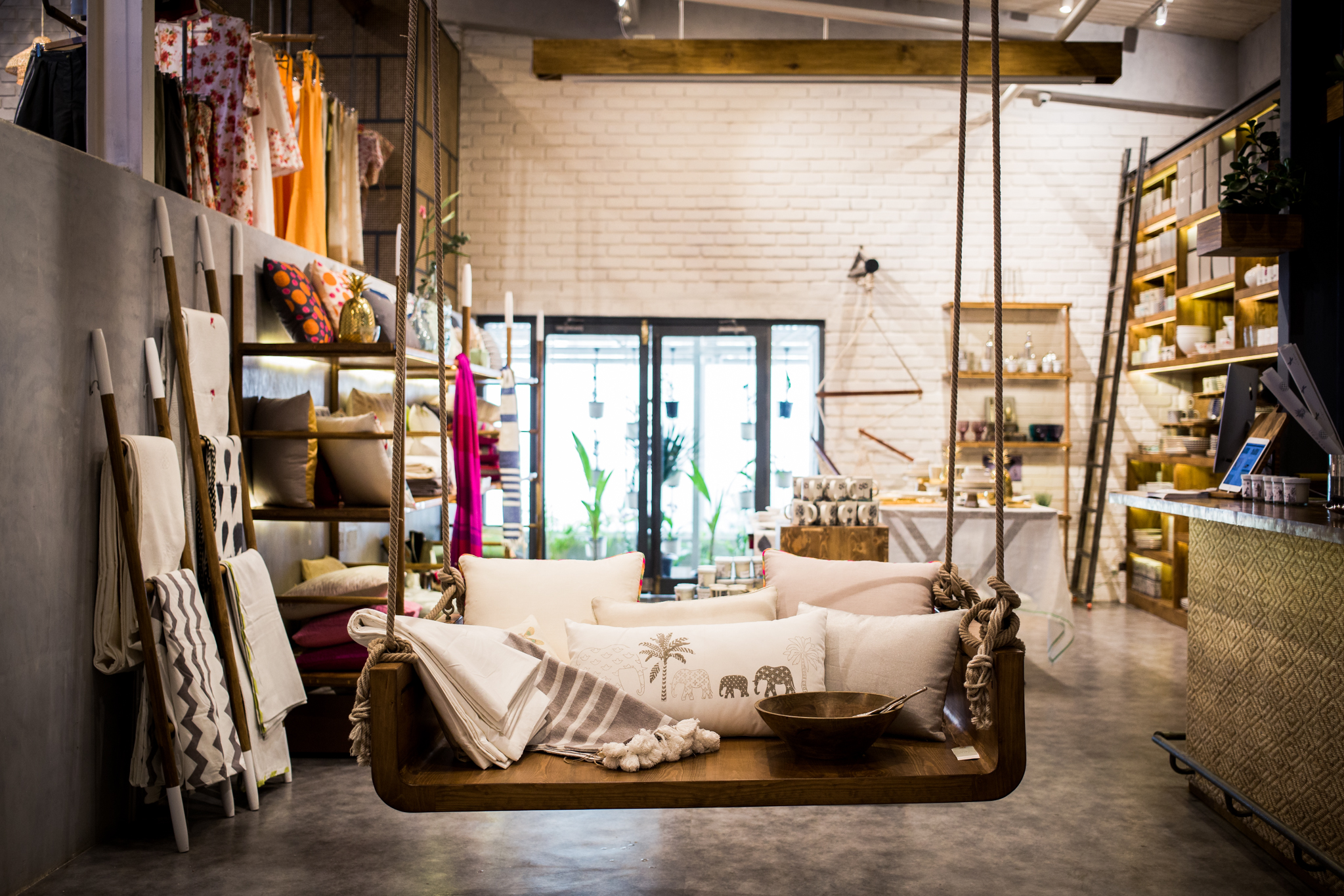
Bespoke furniture plays a central role in this narrative. The traditional Indian jhula is reinterpreted as a contemporary swing—crafted, restrained, and multifunctional. Positioned as a focal element, it becomes a stage for in-store events: an author reading from a new book, a conversation unfolding, a moment of pause within the retail environment. Steps within the store are designed to open out into seating, transforming the space into a pop-up theatre—retail that can effortlessly become a gathering.
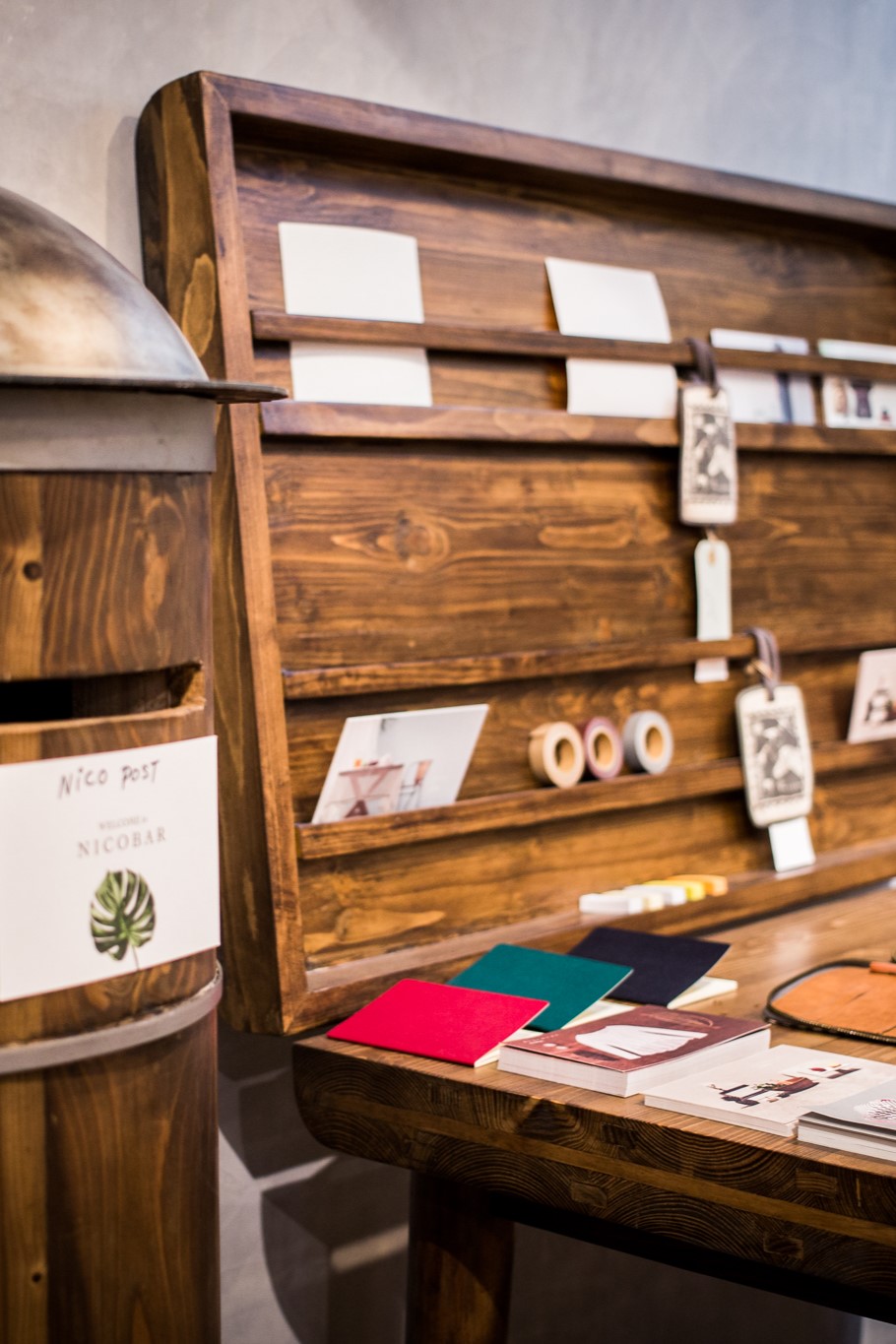
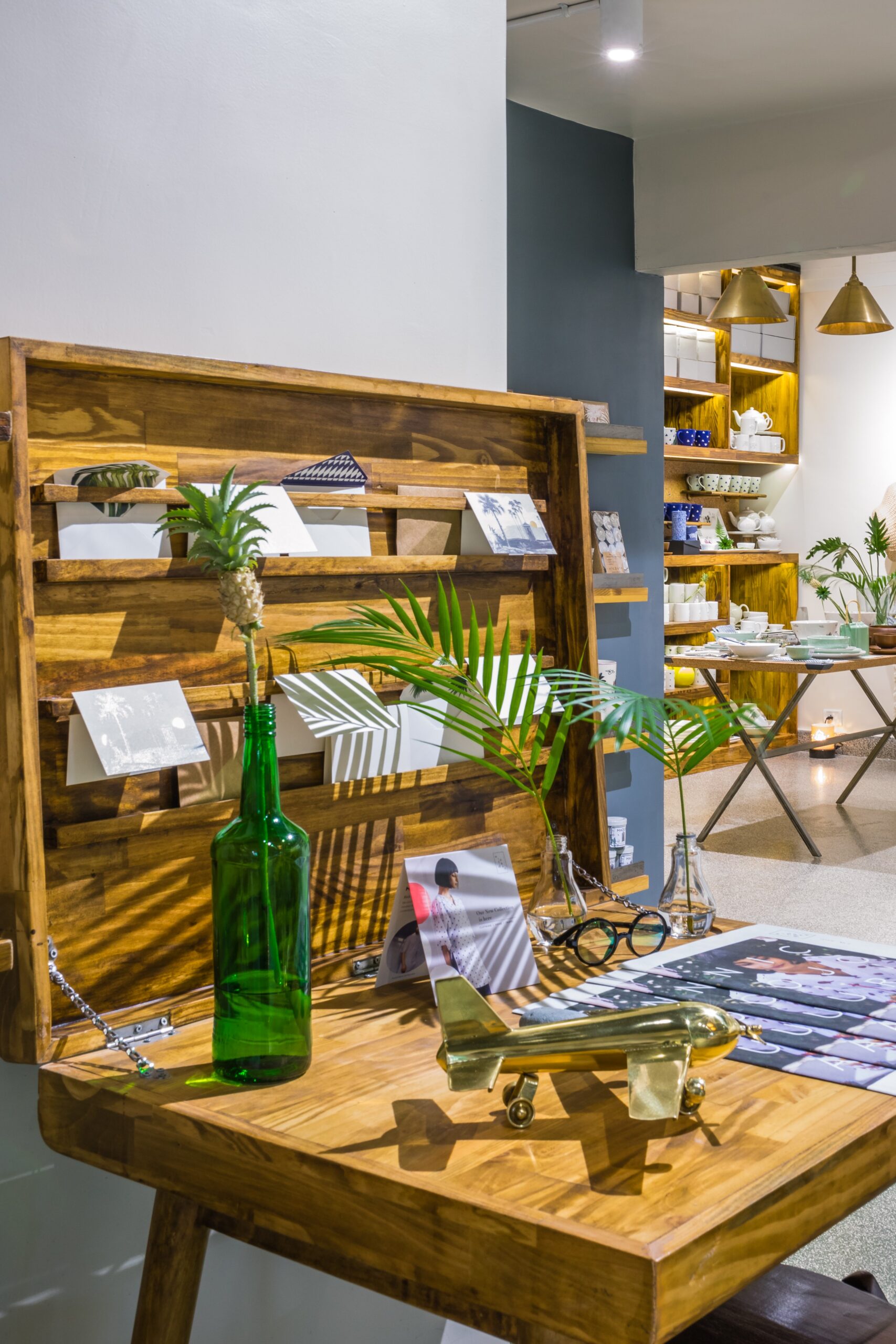
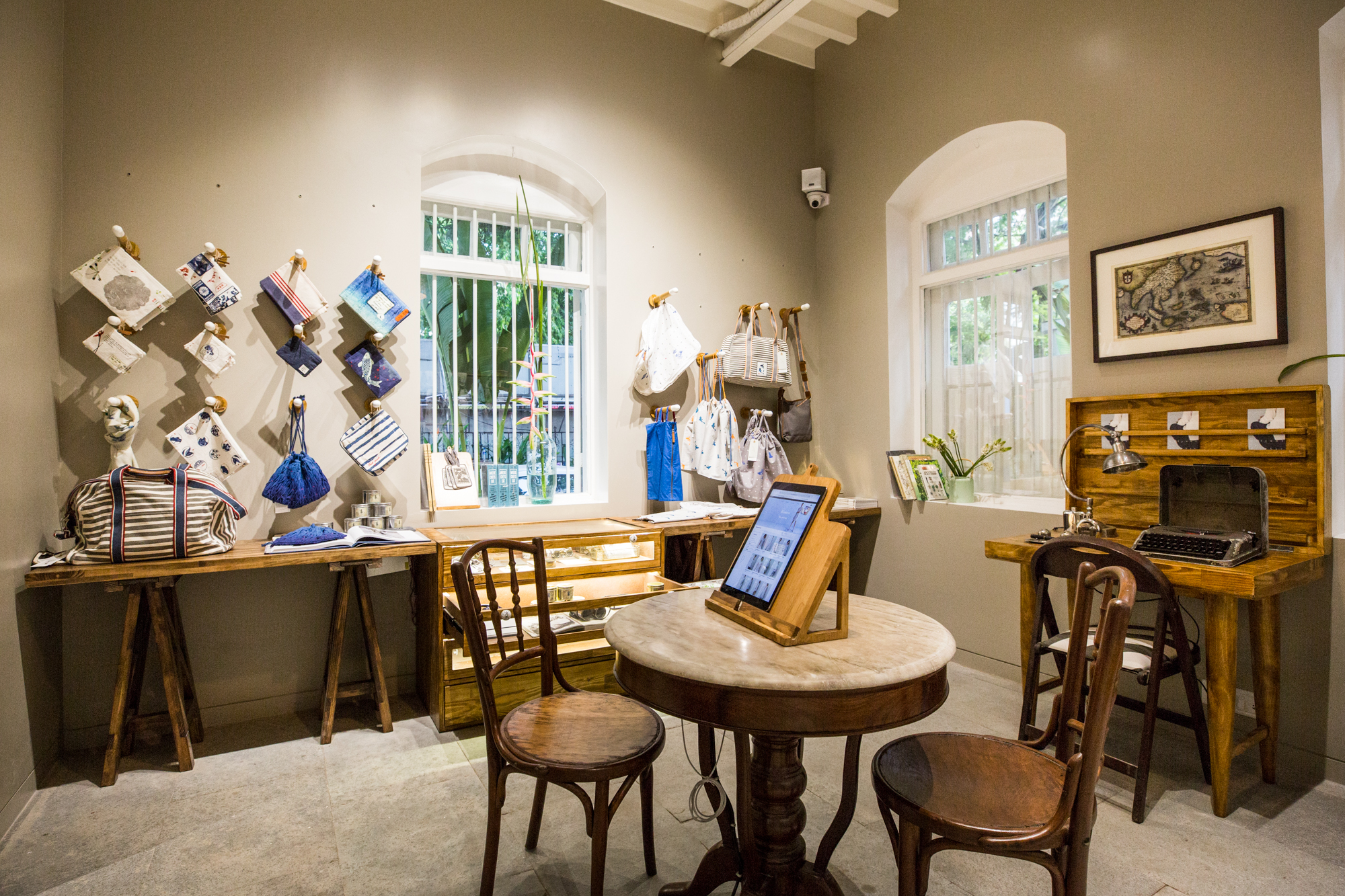
Objects of everyday ingenuity are reimagined with care and humour. The Indian pot box is reinvented as a functional element near the postcard-writing table, reinforcing the brand’s sense of wanderlust and travel. A photo booth is seamlessly integrated into a vintage timber camera, while a small reading corner houses a curated selection of books—quiet gestures that invite engagement beyond shopping.
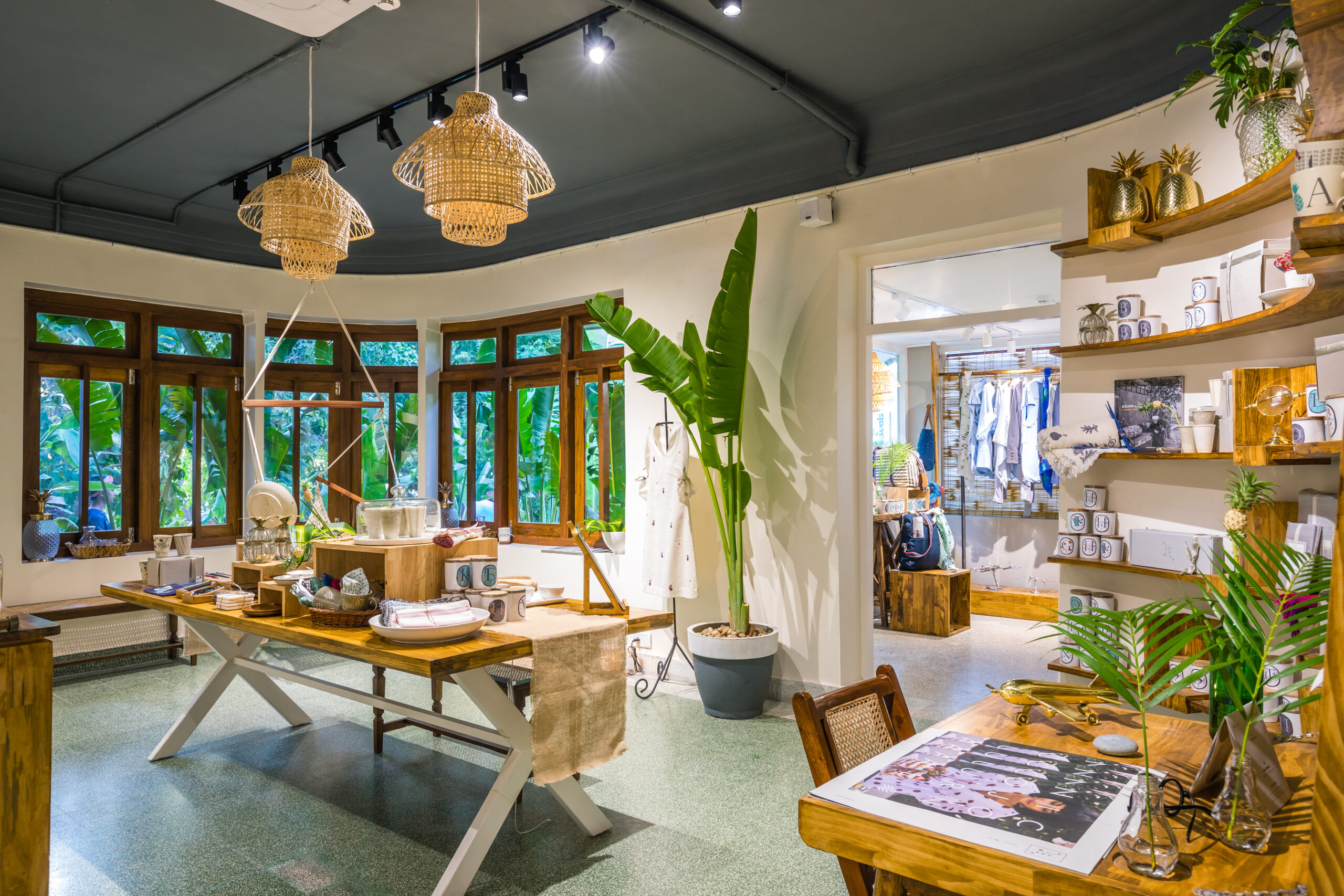
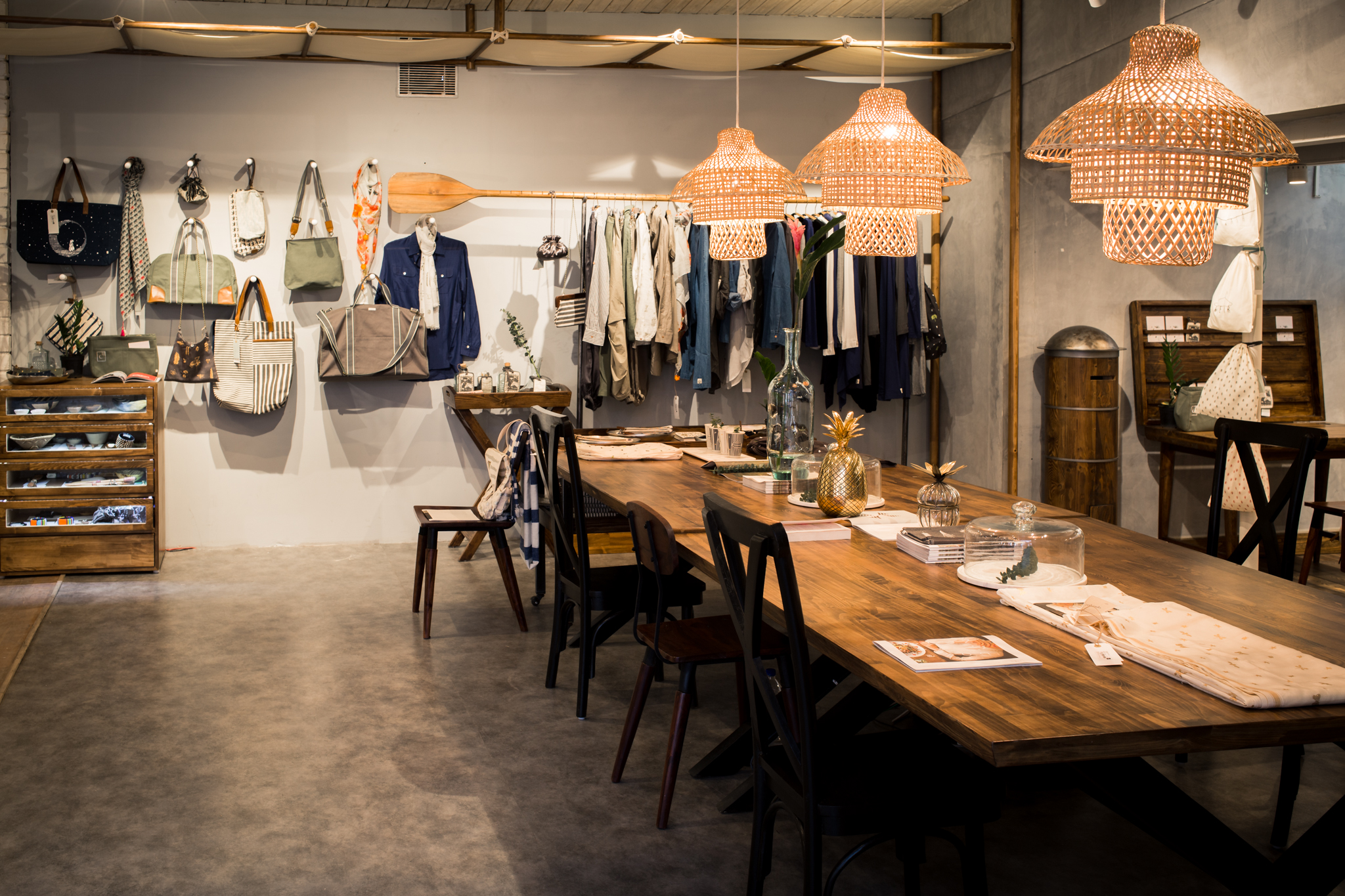
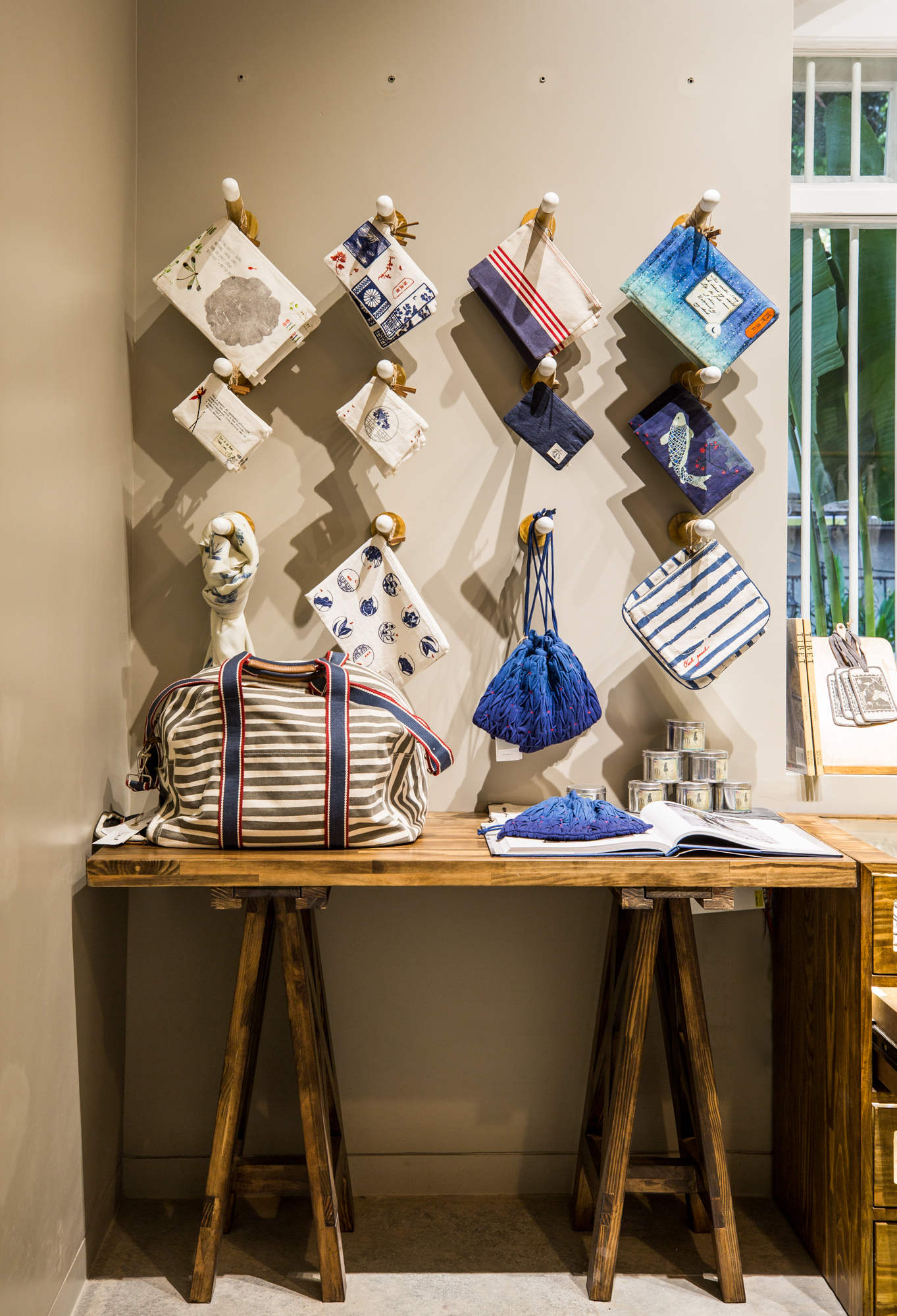
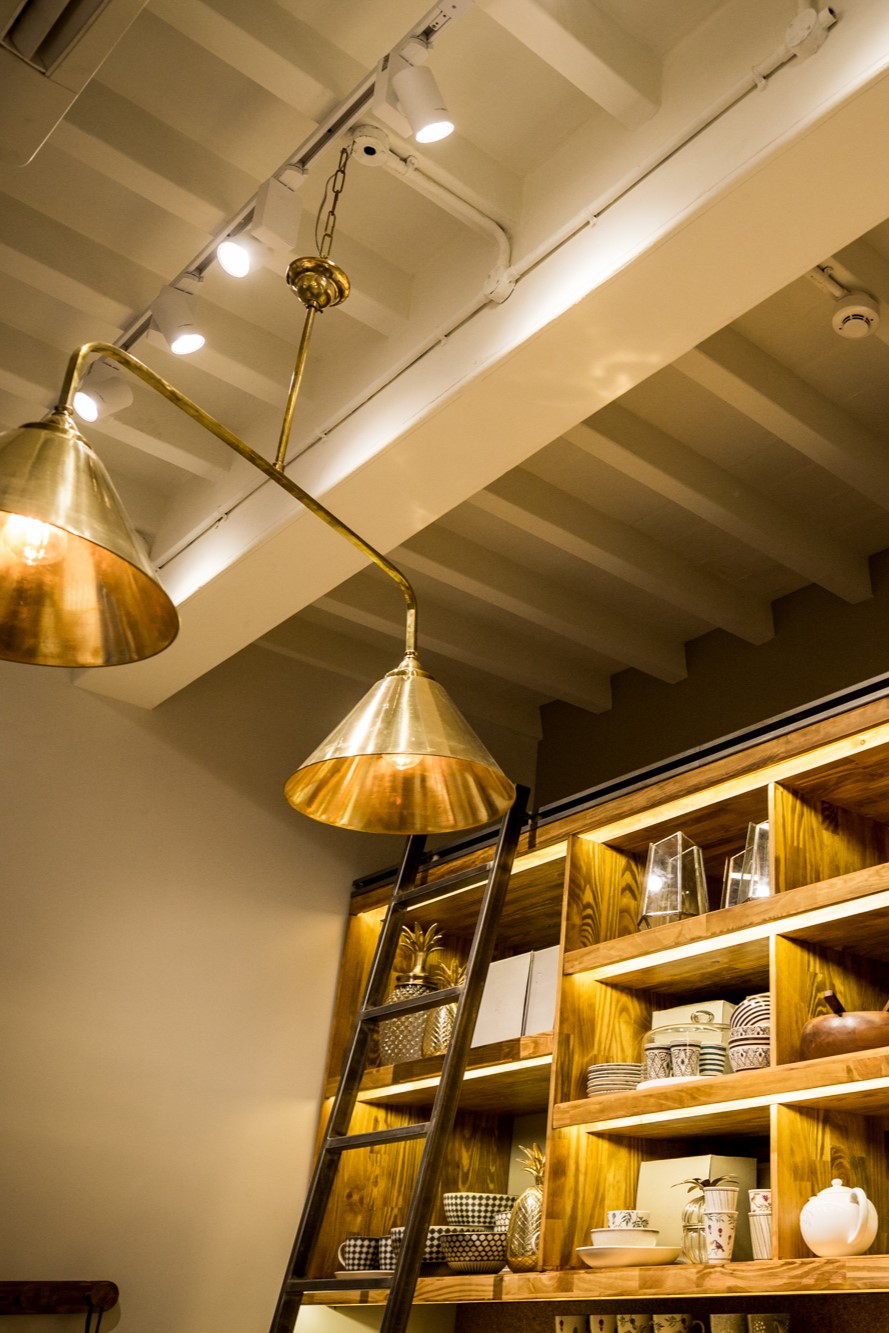
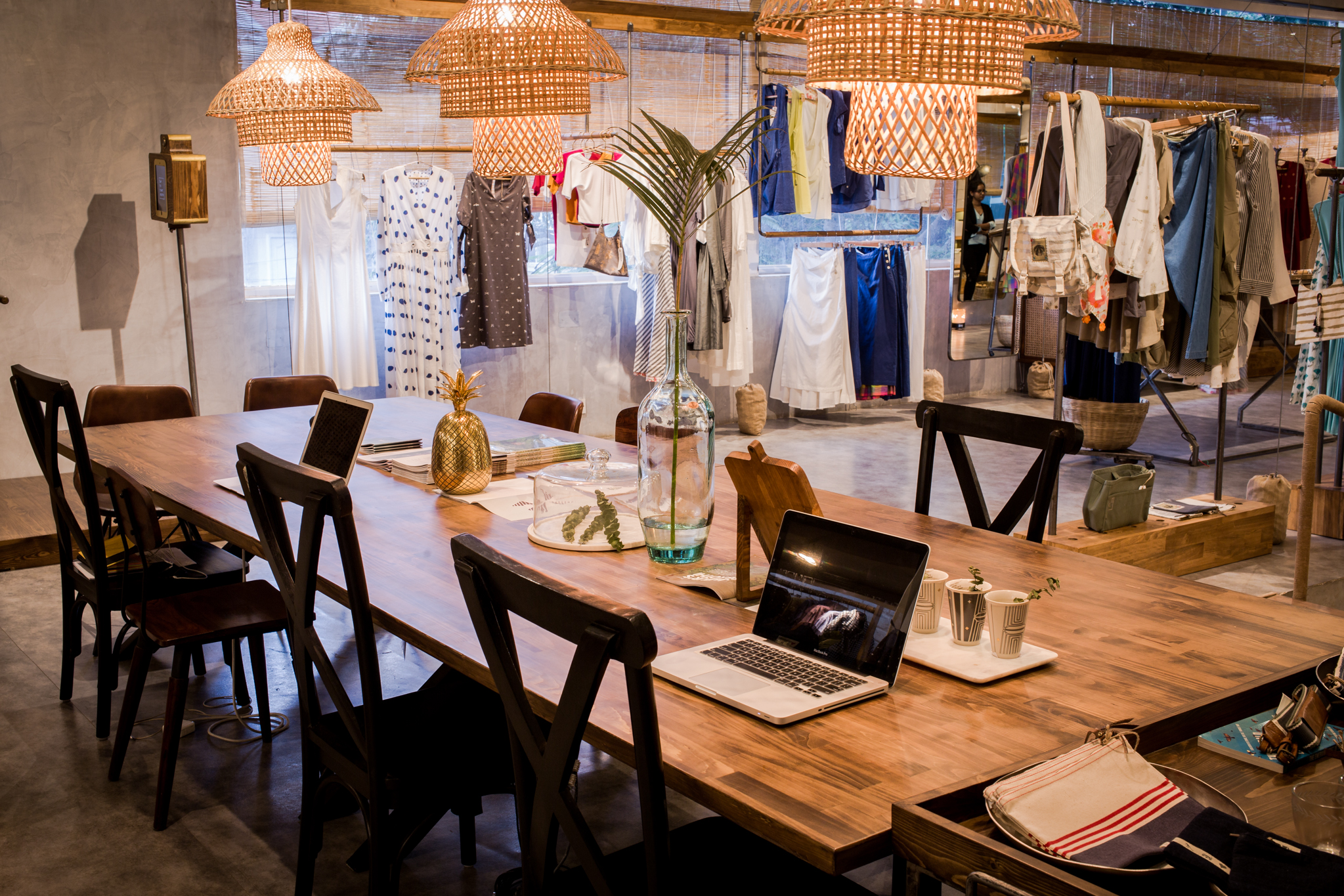
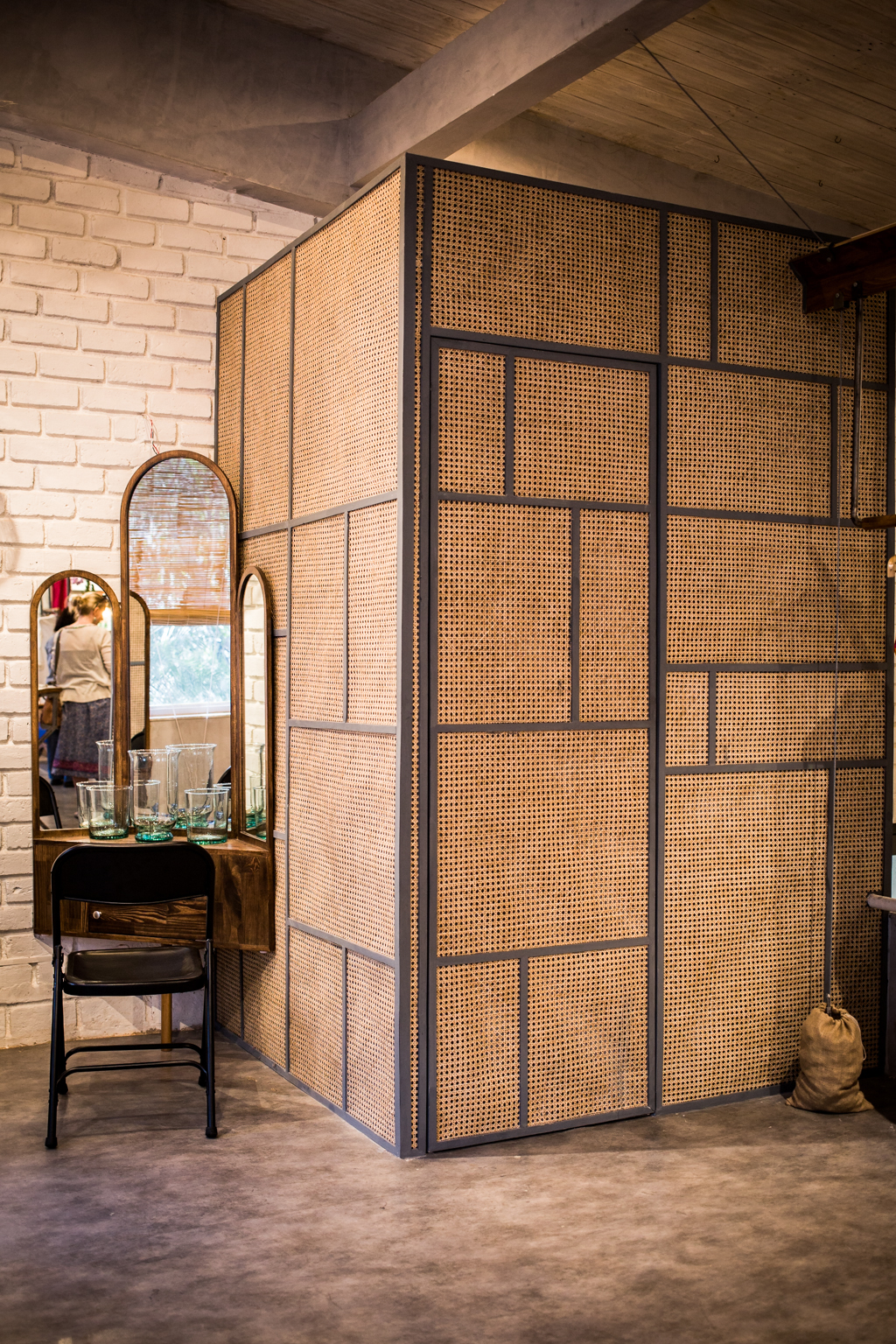
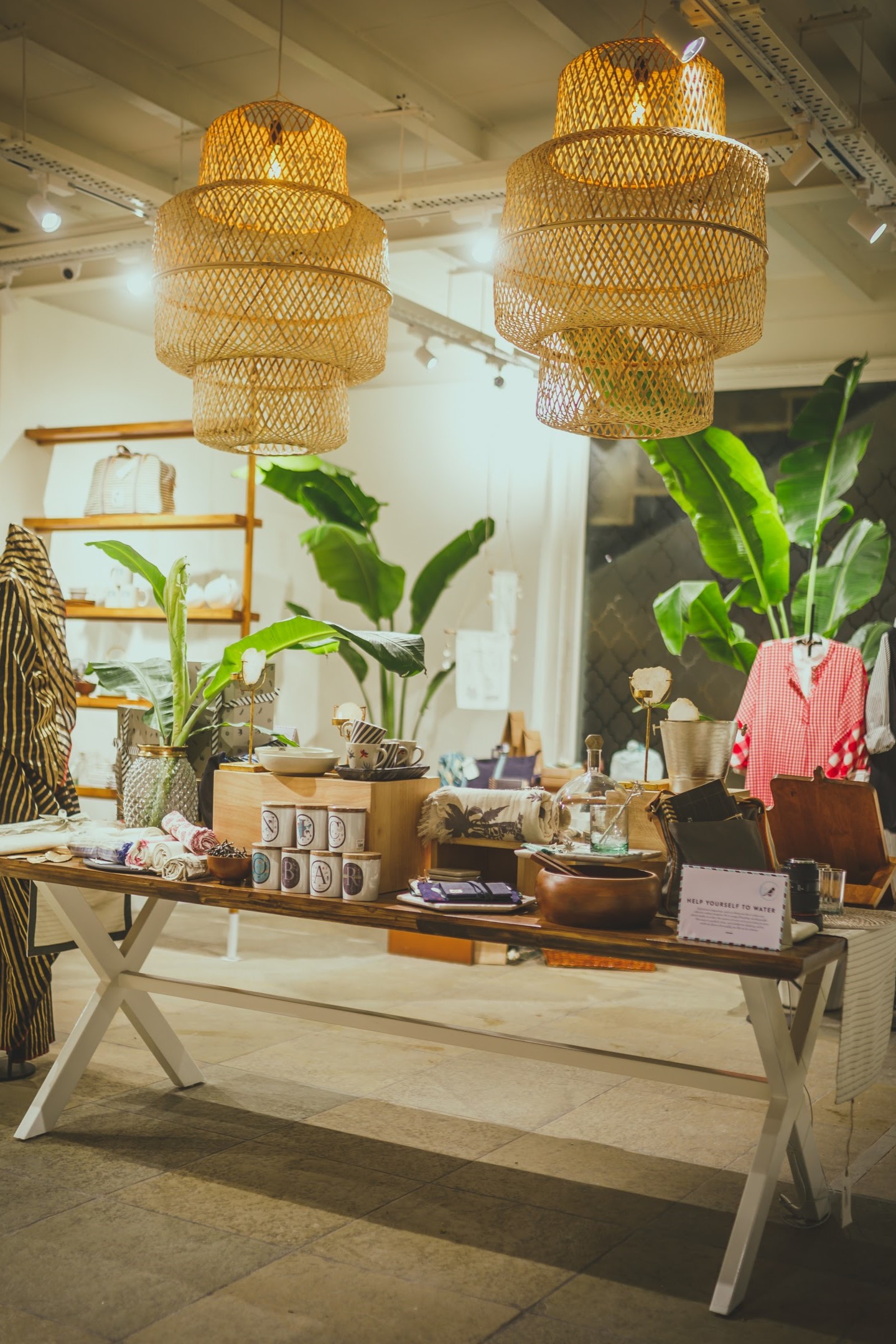
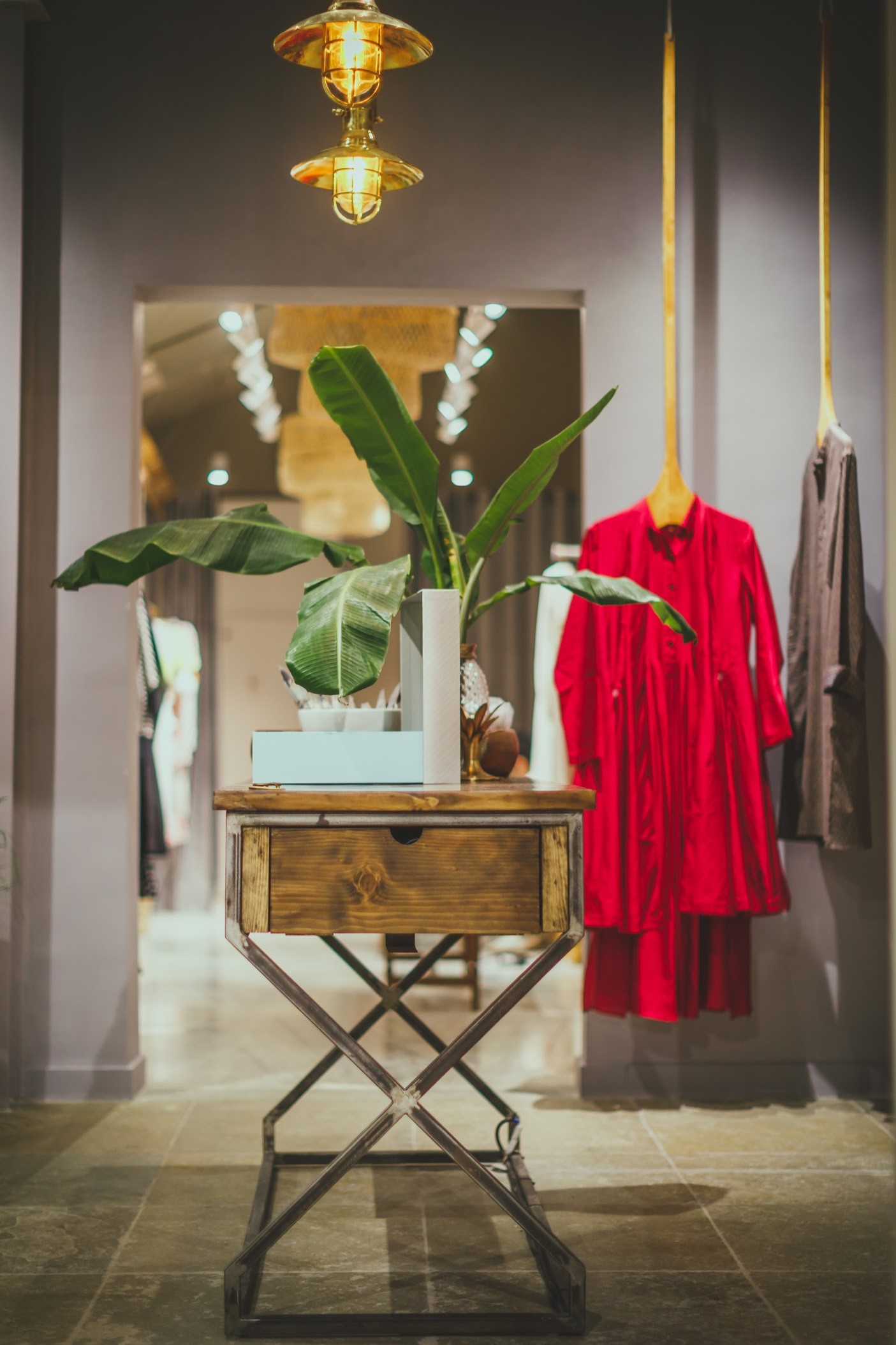
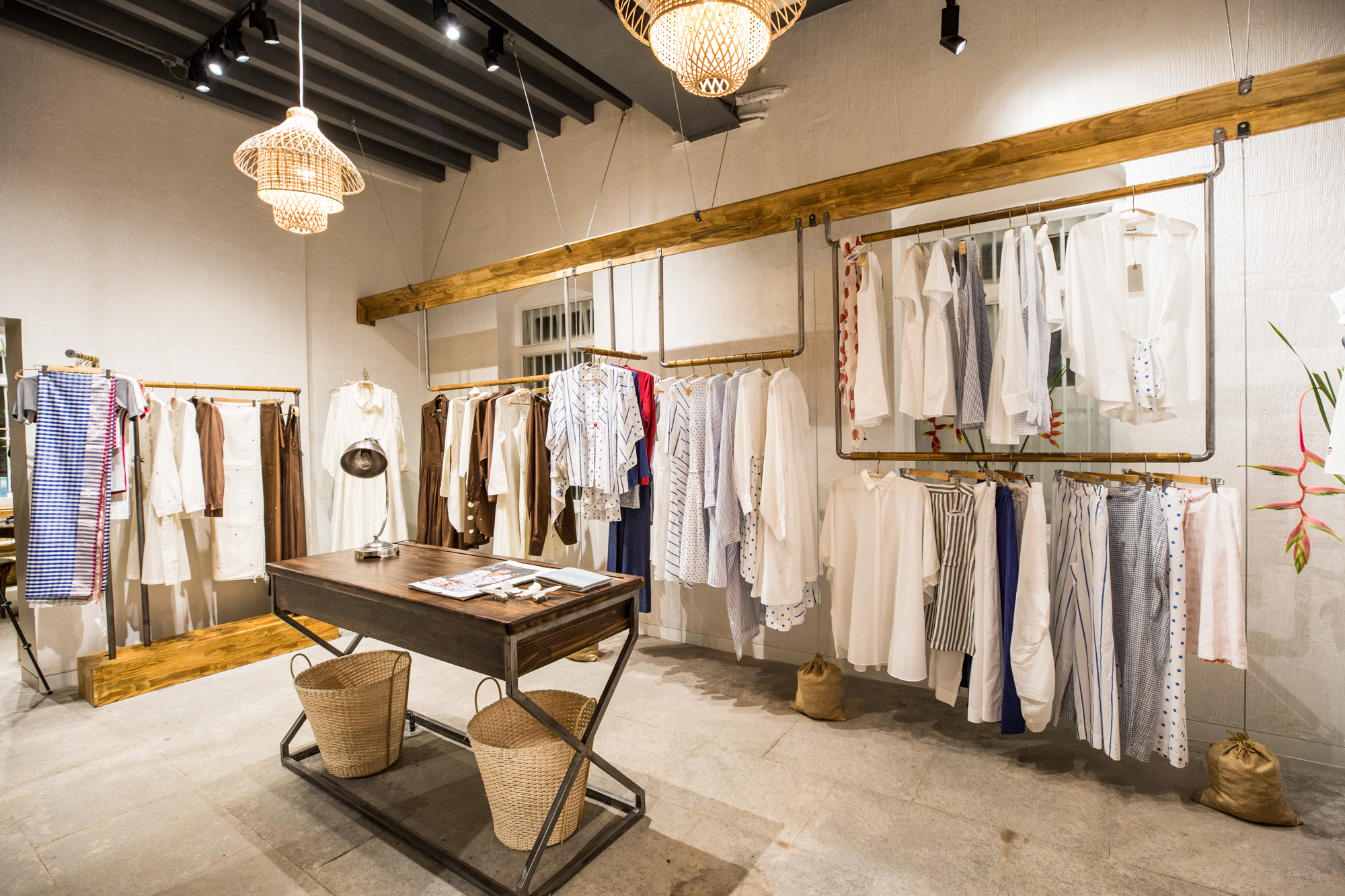
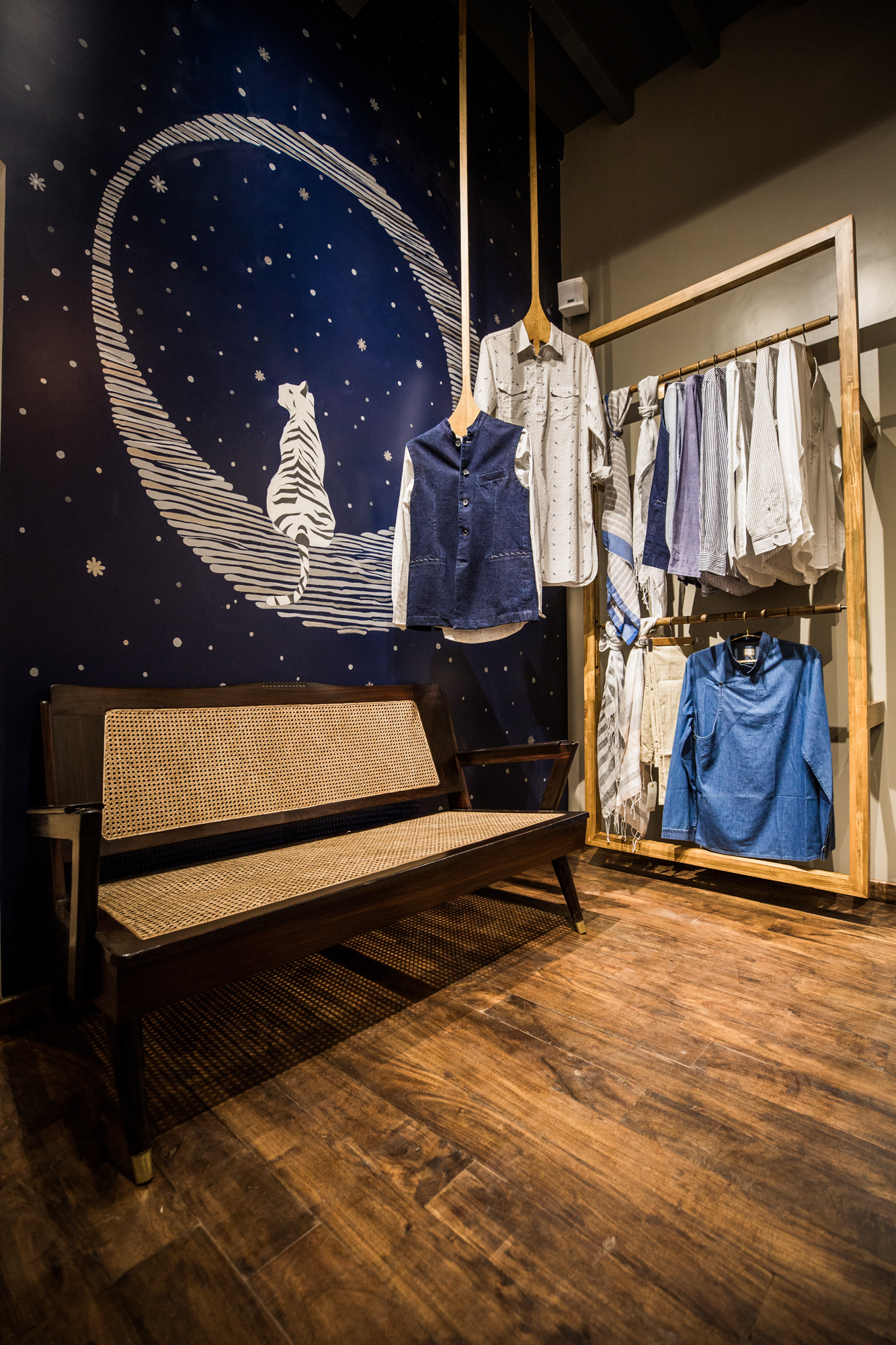
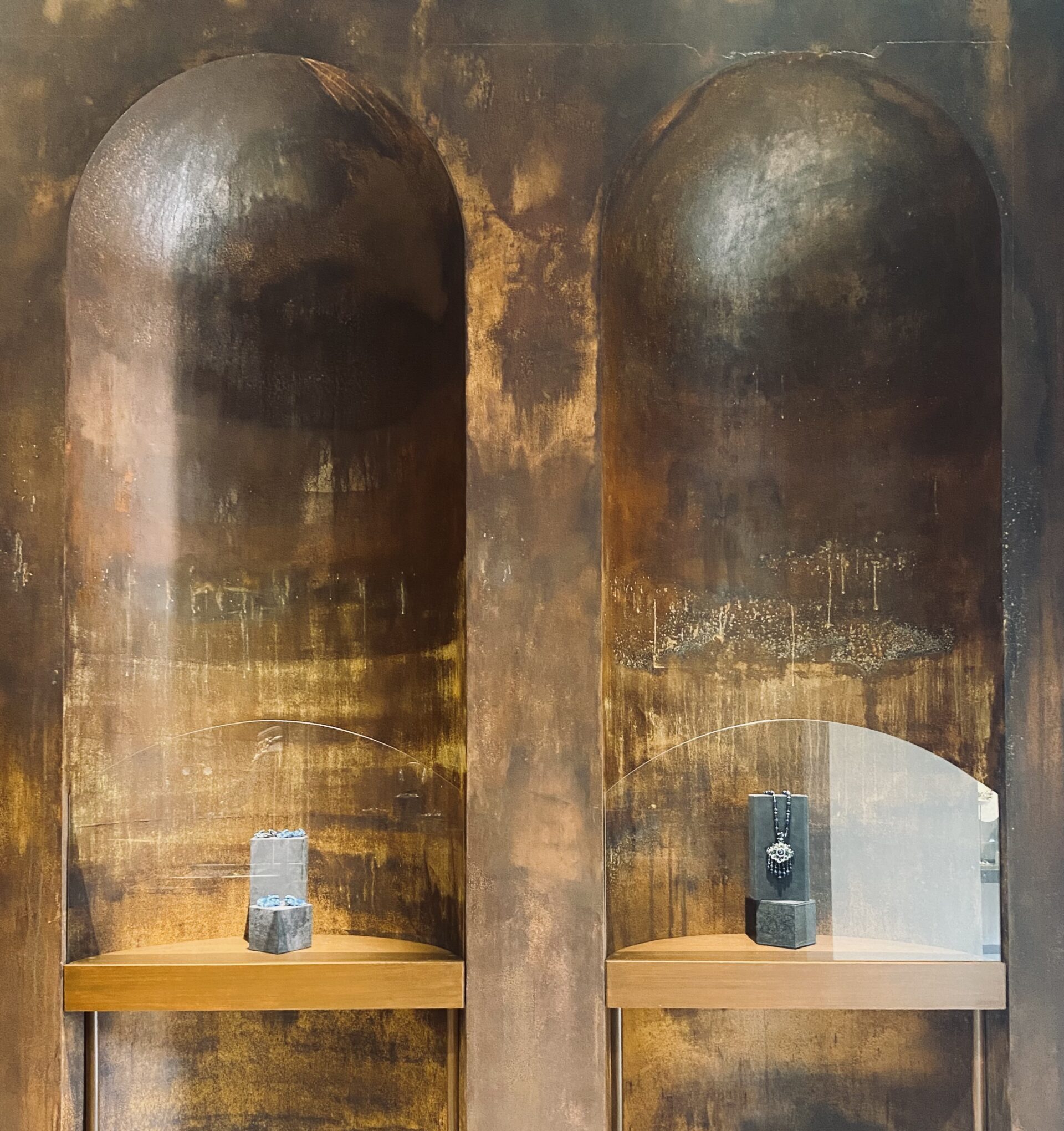
Materiality anchors the experience. Rattan, rope, timber, natural stone, cane, terrazzo, and tactile surfaces create an atmosphere that is both tropical and modern. Plants and greenery soften interiors; textures add depth without excess. Furniture is handcrafted yet minimal, celebrating making while remaining adaptable.
One of the most distinctive elements is the Lota Library—a playful yet thoughtful installation that celebrates Indian ingenuity and everyday design intelligence. Here, the store becomes a place of learning and reflection, reinforcing Nicobar’s belief in modern Indian living as both thoughtful and accessible.
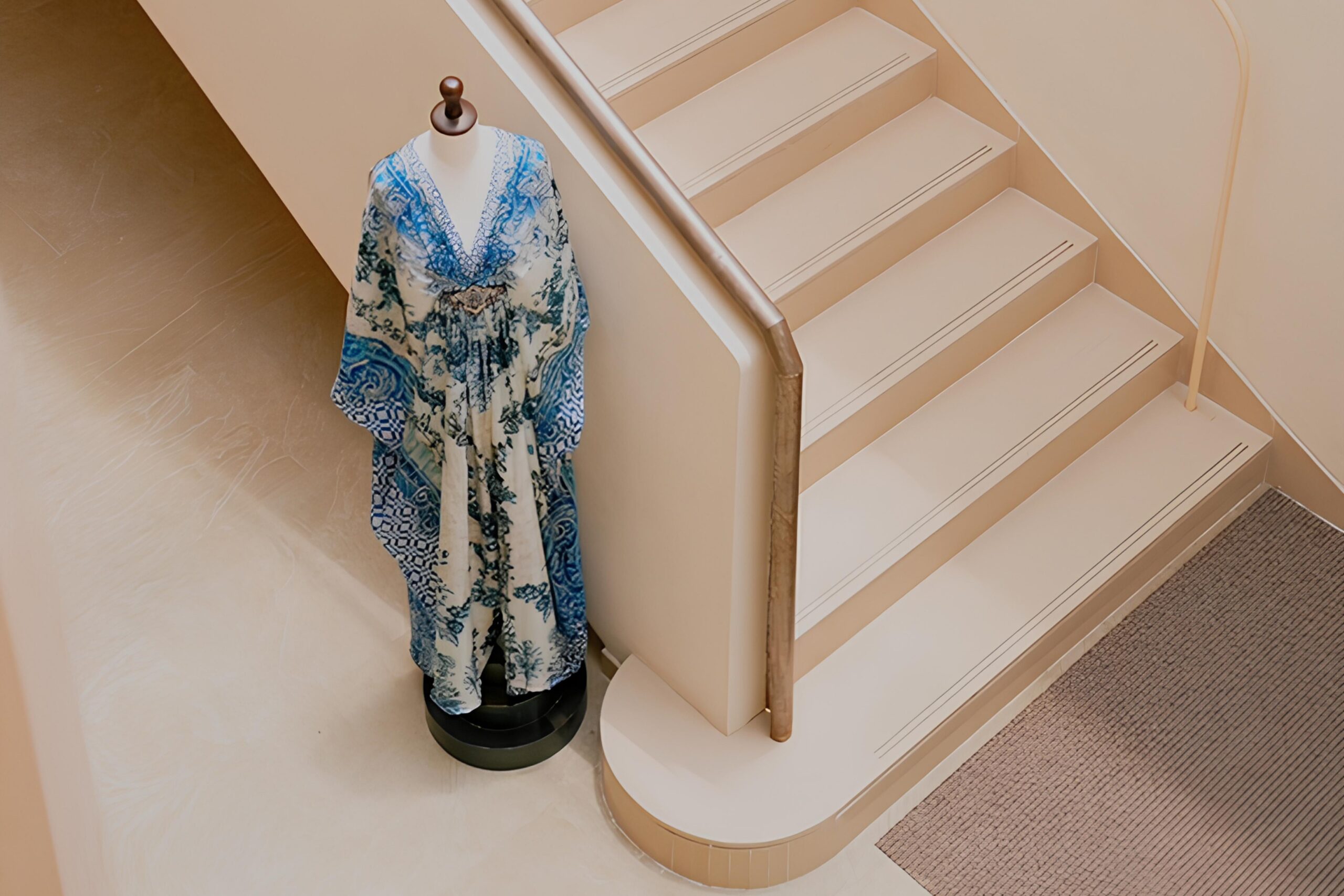
The architecture is intentionally modular, allowing displays, installations, and programming to evolve with seasons and collections. Verandah-like thresholds, soft light, and layered textures are balanced with clean lines and neutral backdrops, ensuring flexibility without loss of identity.
Nicobar stores ultimately operate as more than retail. They are immersive expressions of a contemporary Indian ethos—spaces where craft, culture, travel, and community coexist, and where architecture quietly enables connection, curiosity, and time well spent.