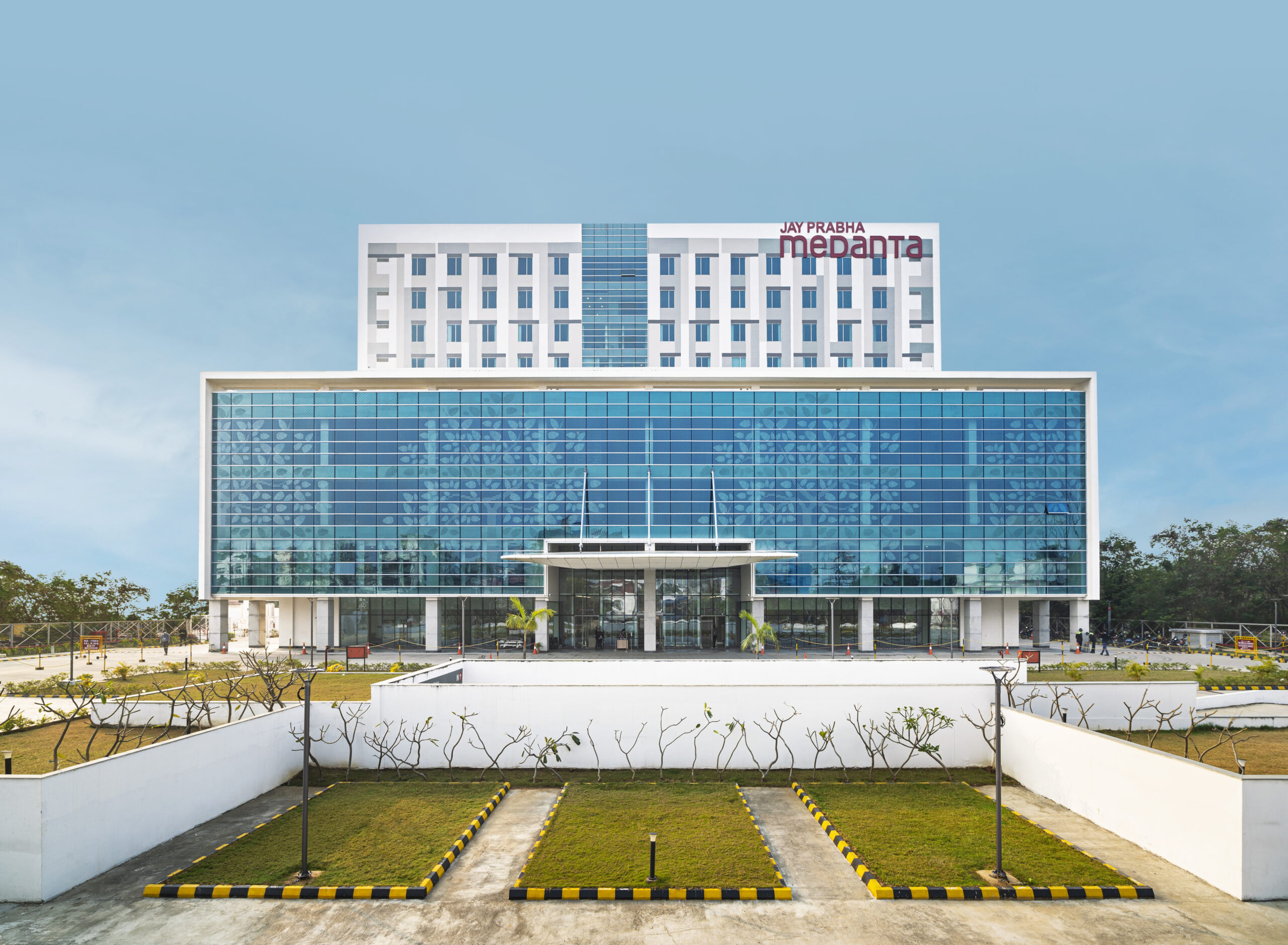
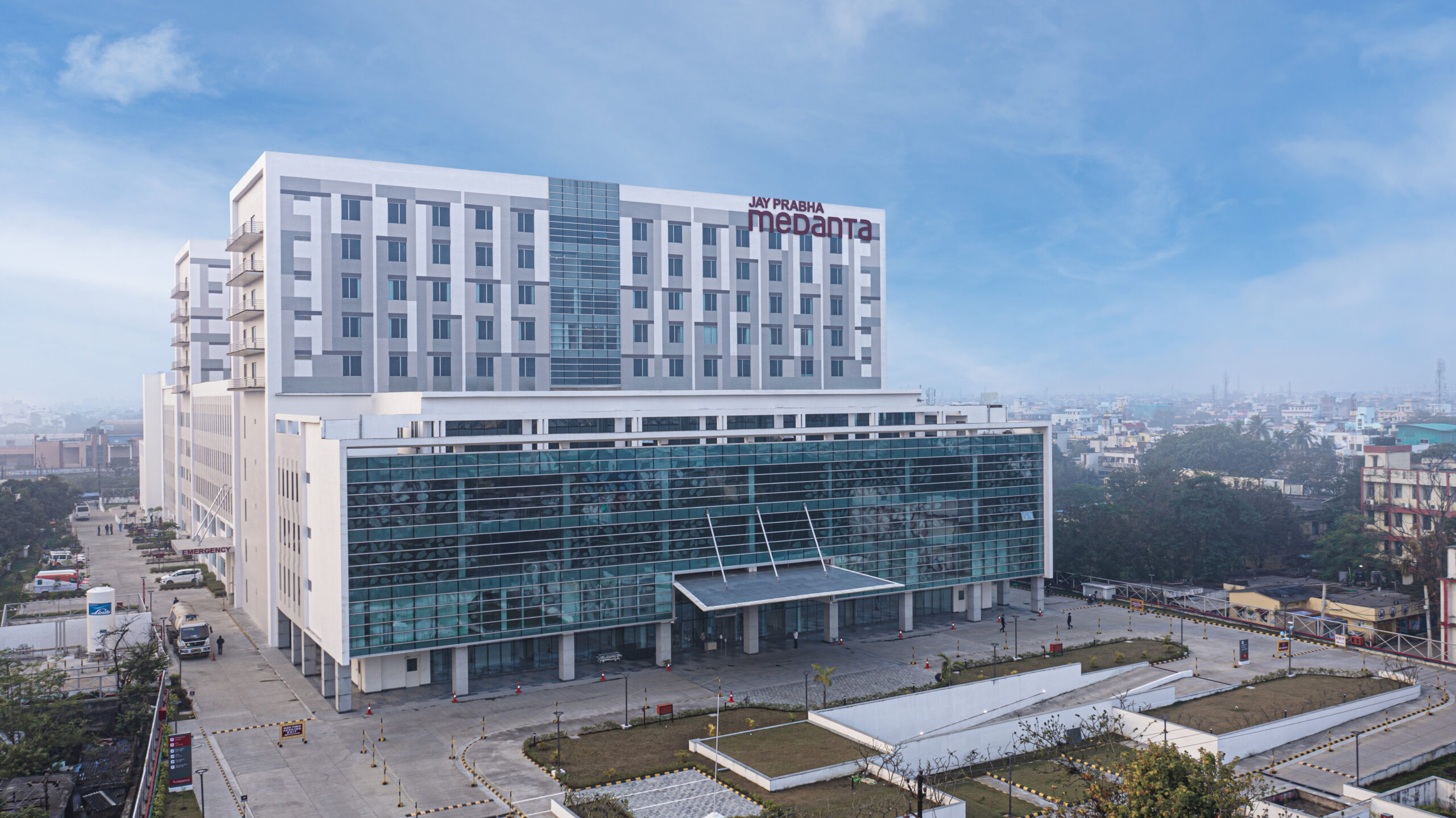
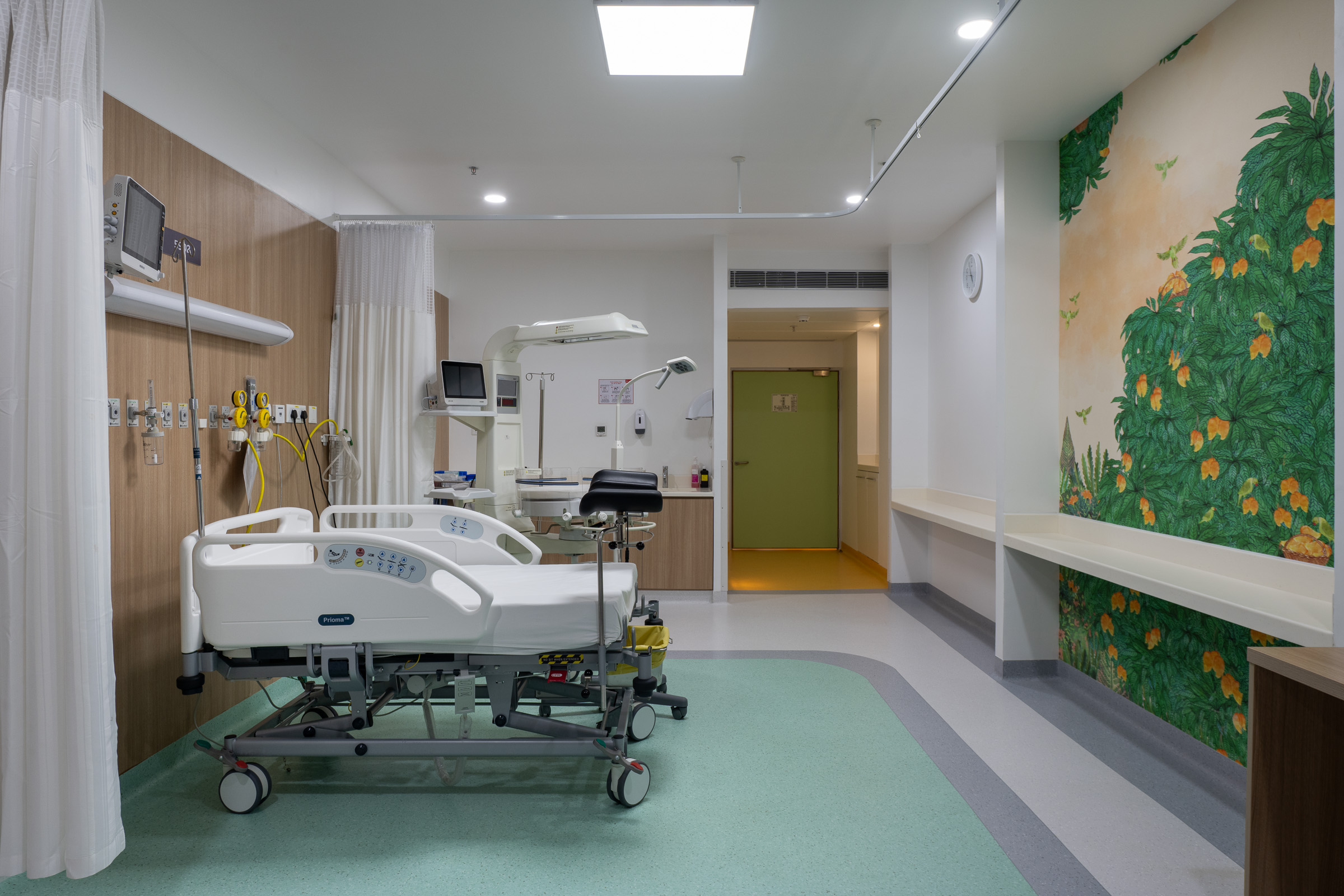
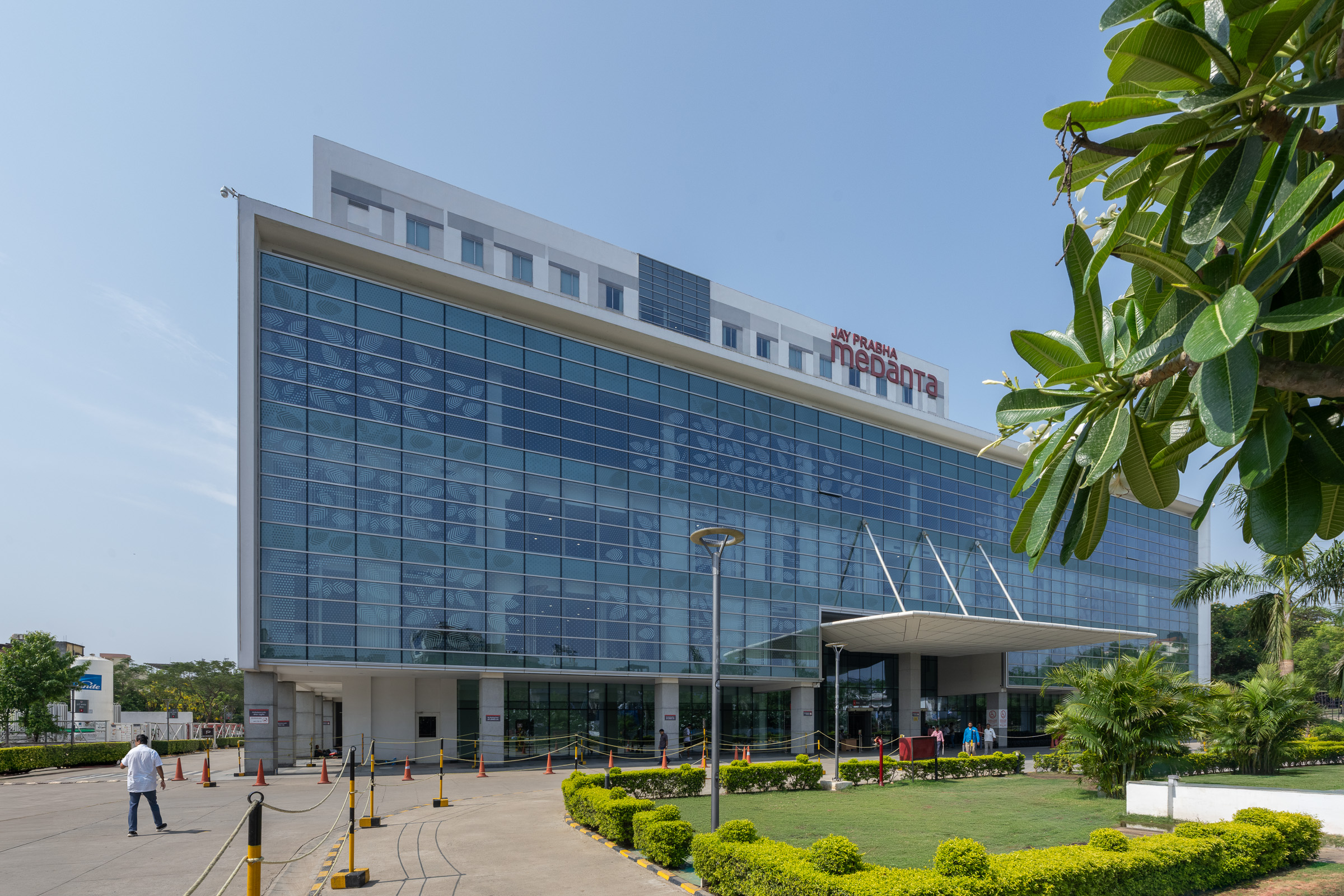
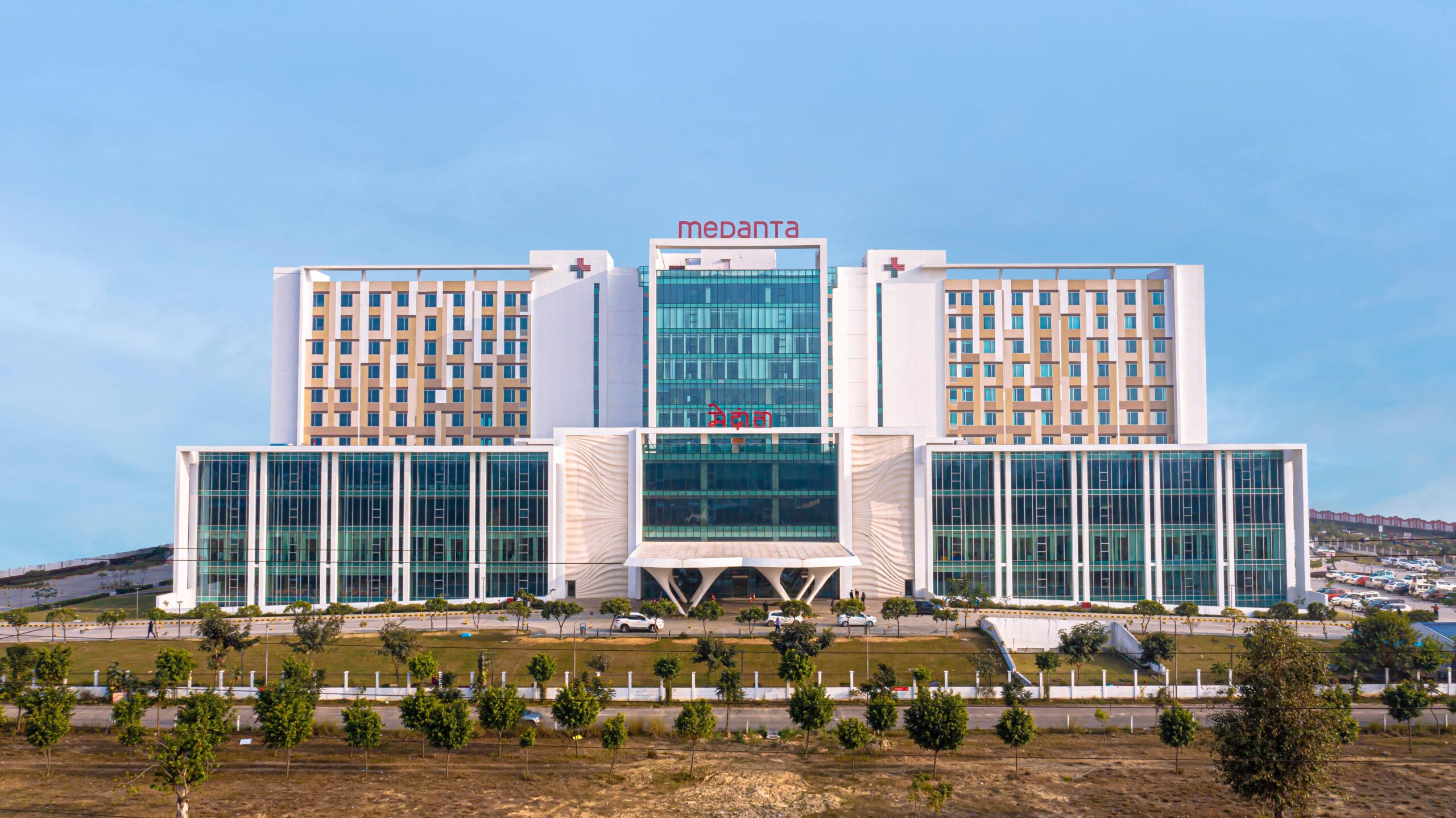
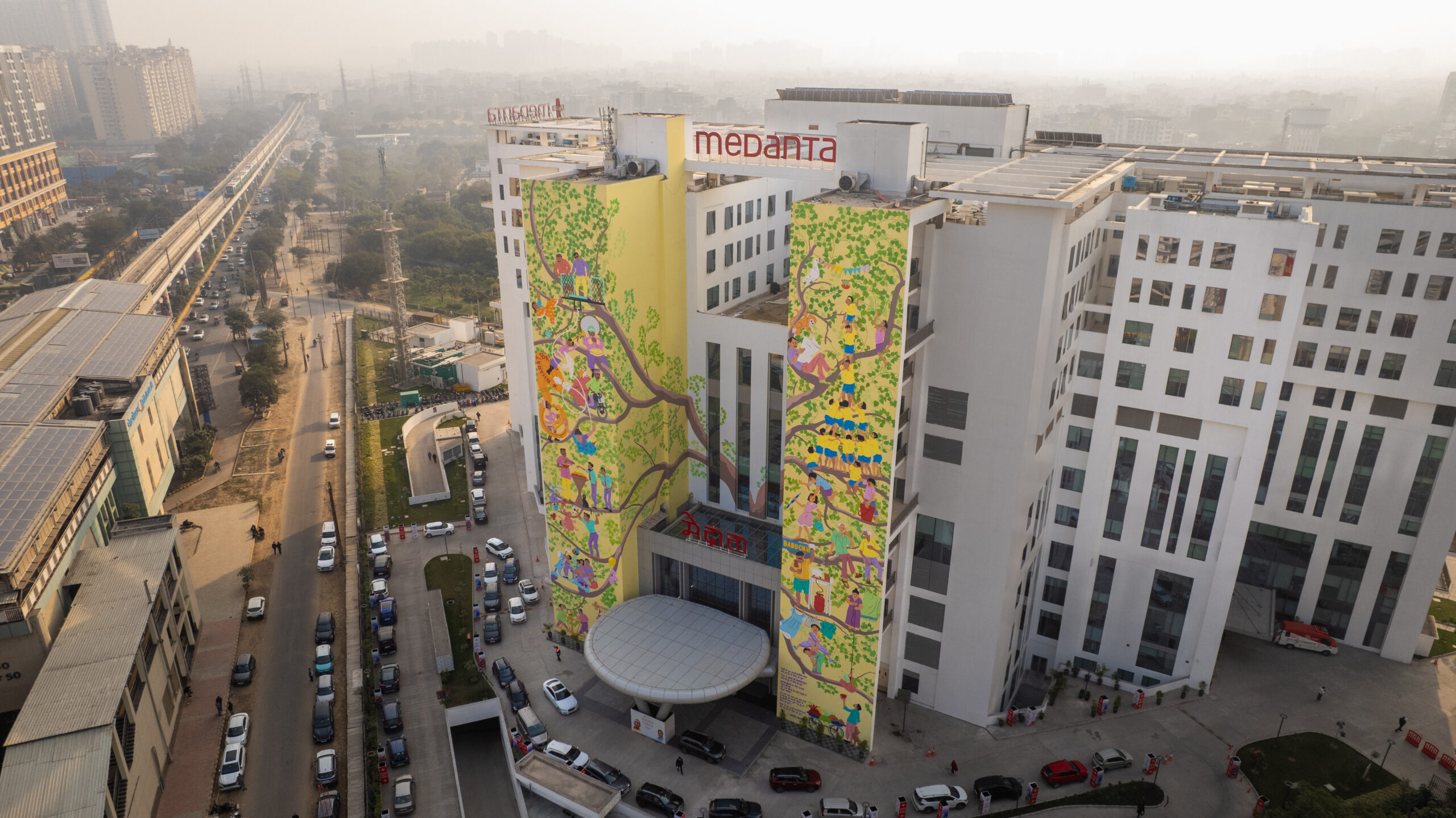
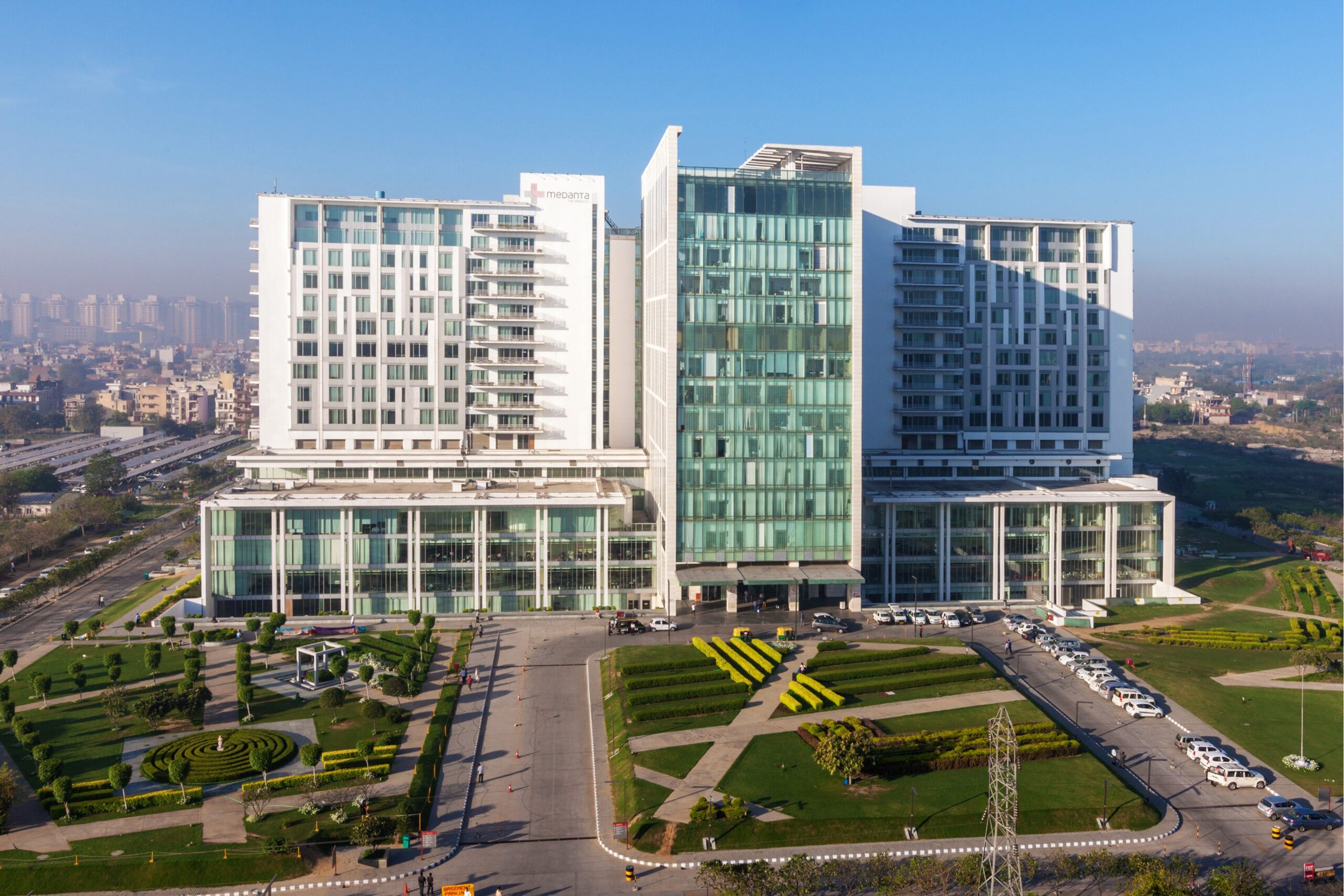
Medanta Patna addresses the challenge of large-scale healthcare with clarity, sensitivity, and precision. The 700-bed tertiary care campus, including 200 ICU beds and 20 state-of-the-art operating theatres, required a highly organised planning framework that carefully segregates patient, sterile, and service movements, while keeping distances short, legible, and efficient. Clinical departments are clustered around shared service cores, optimising response times, reducing operational costs, and improving staff efficiency across the hospital.
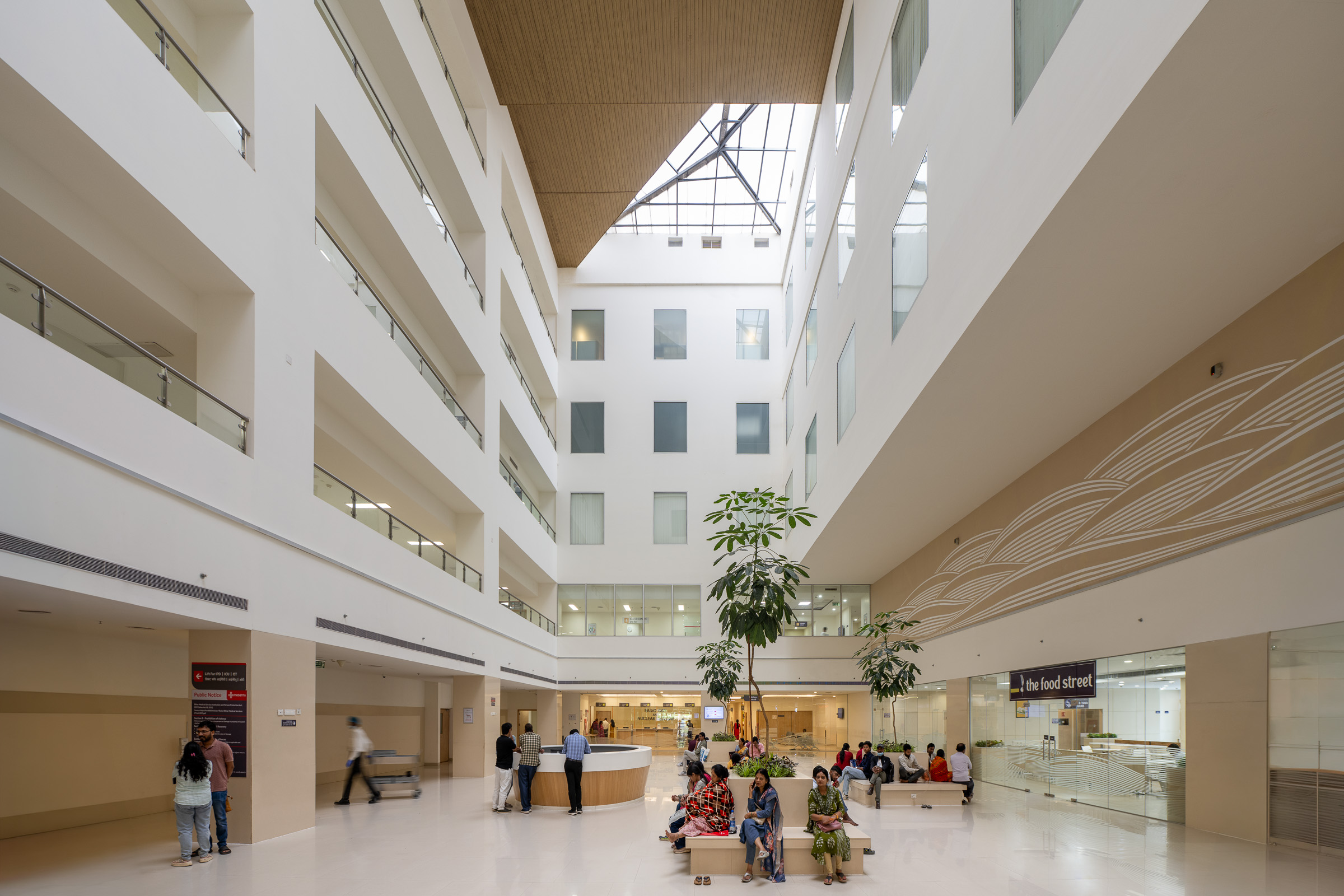
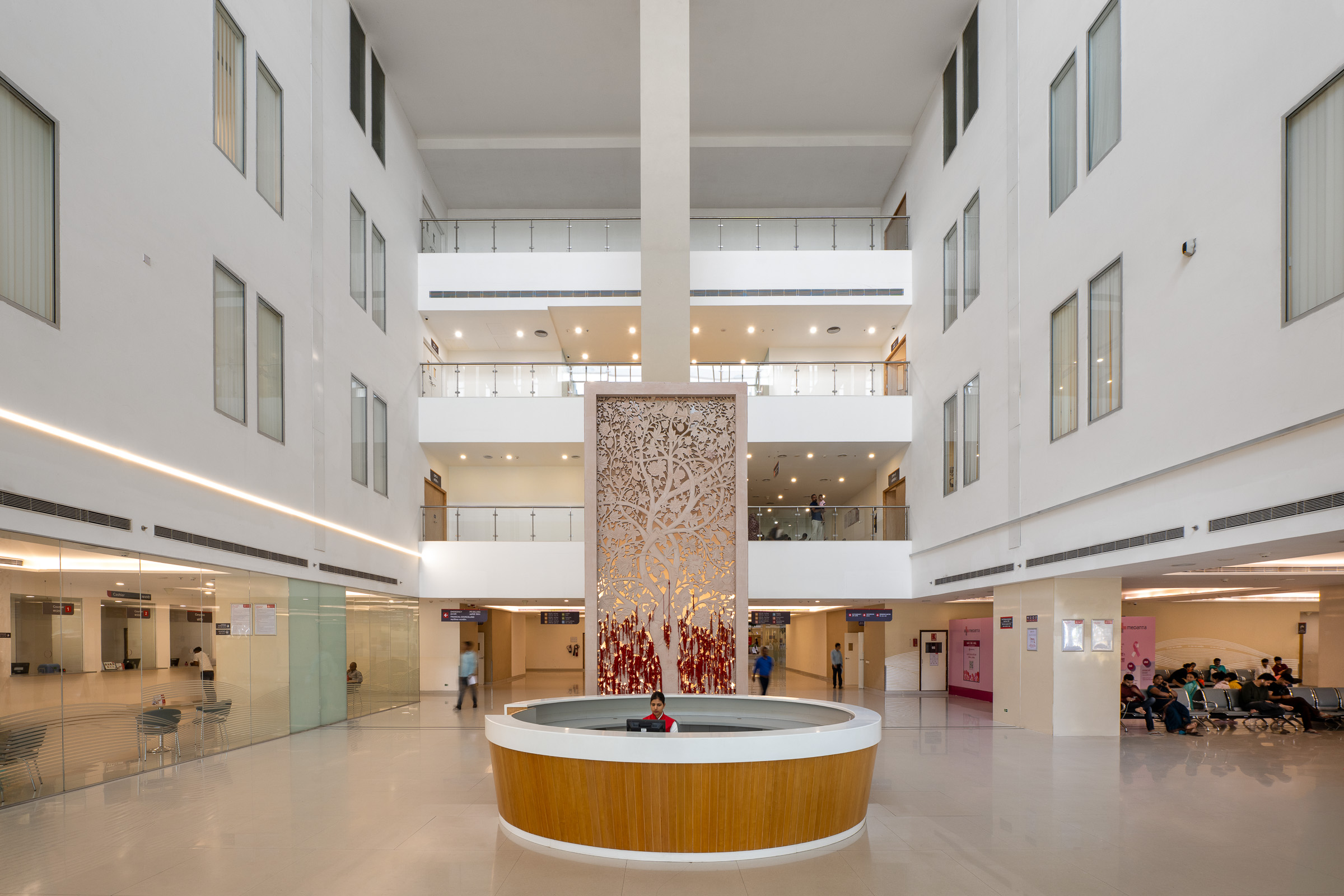
The 900,000 sq ft facility is organised around two distinct public spaces, each responding to different patterns of use. Given the heavy footfall of the outpatient department, primary public movement is designed for clarity and efficiency. In parallel, a secondary four-storey atrium serves inpatients and day-care attendants, conceived as a quieter, restorative environment. Animated by trees, natural light, and plaza-like seating, the atrium provides a moment of pause and orientation within the hospital.
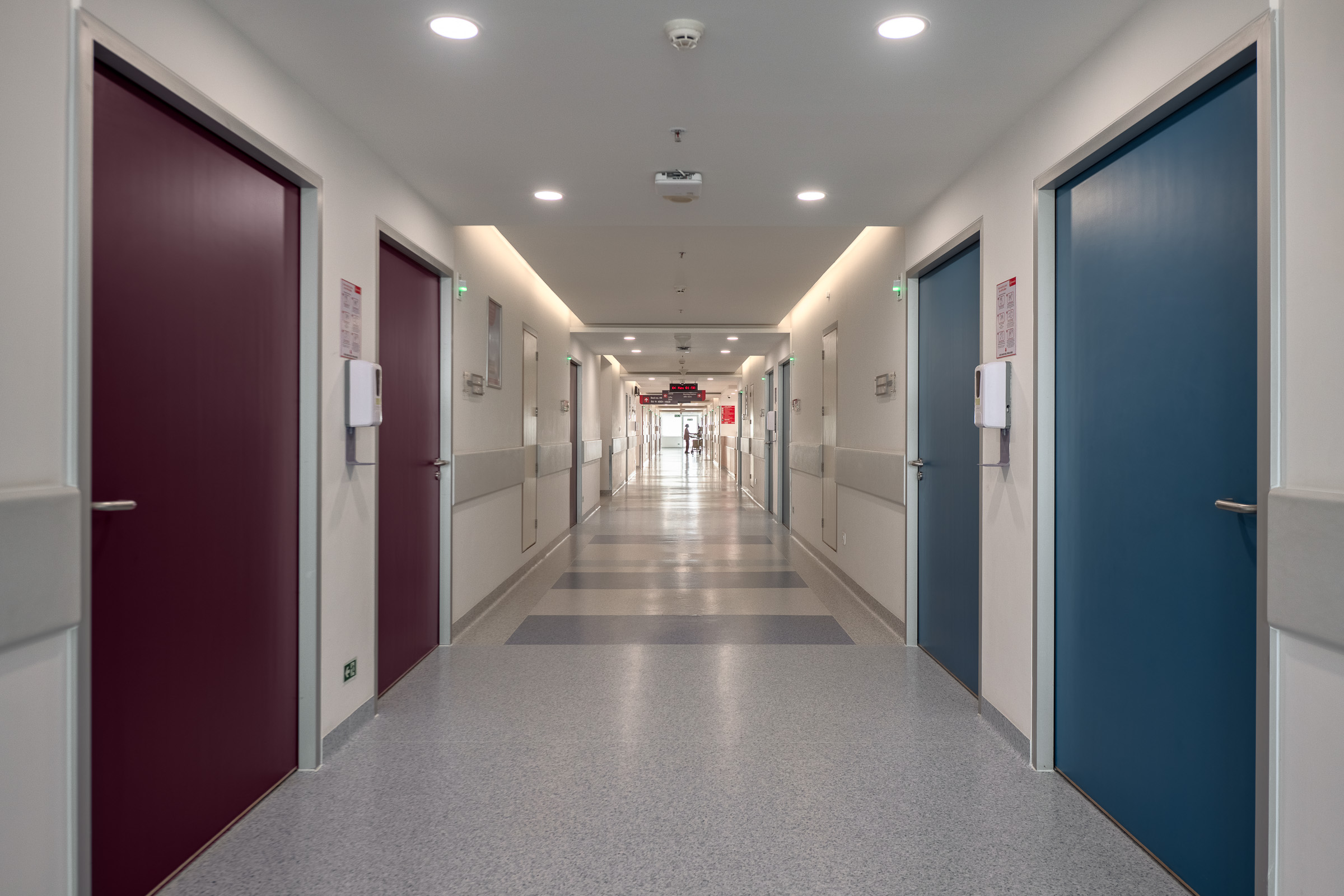
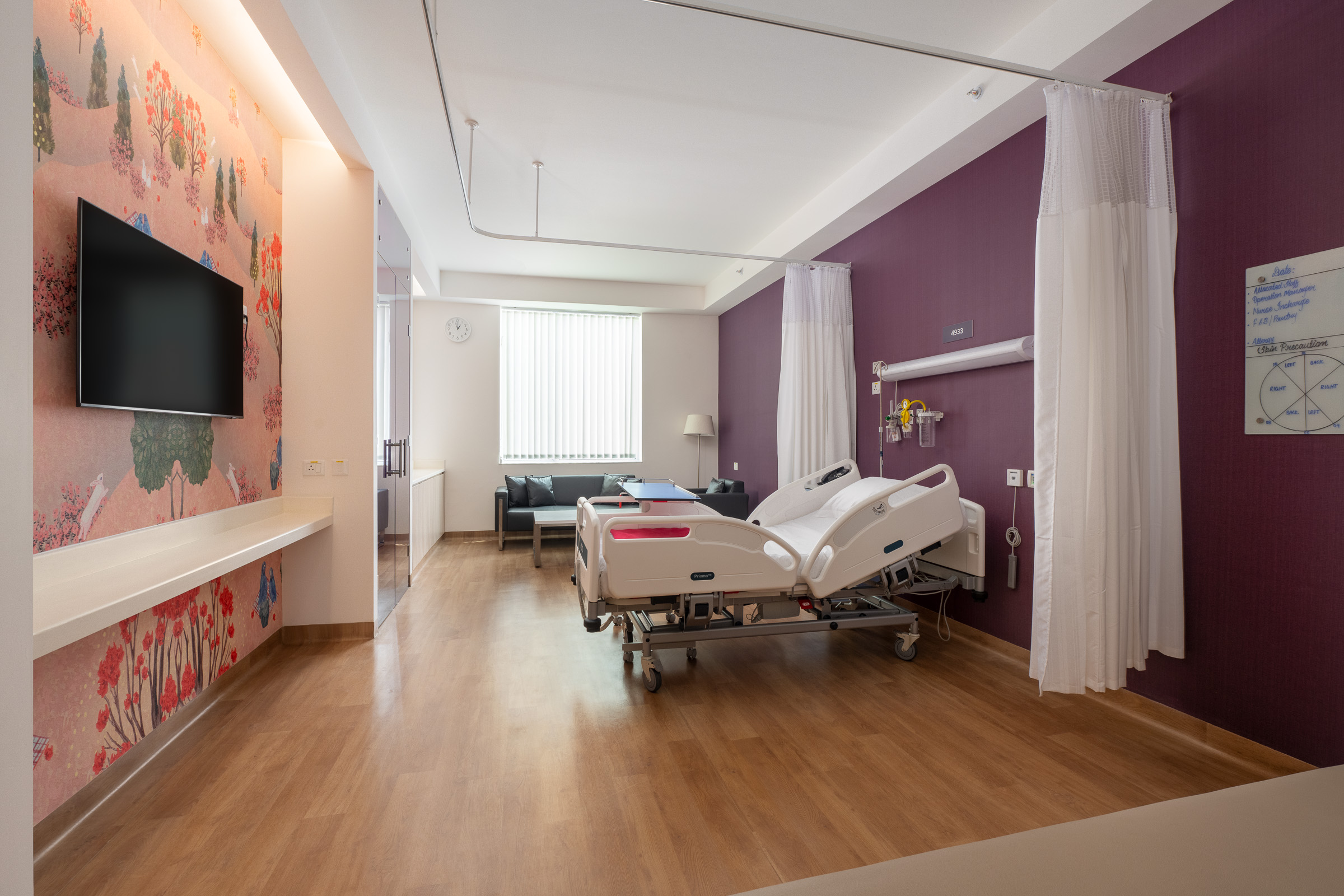
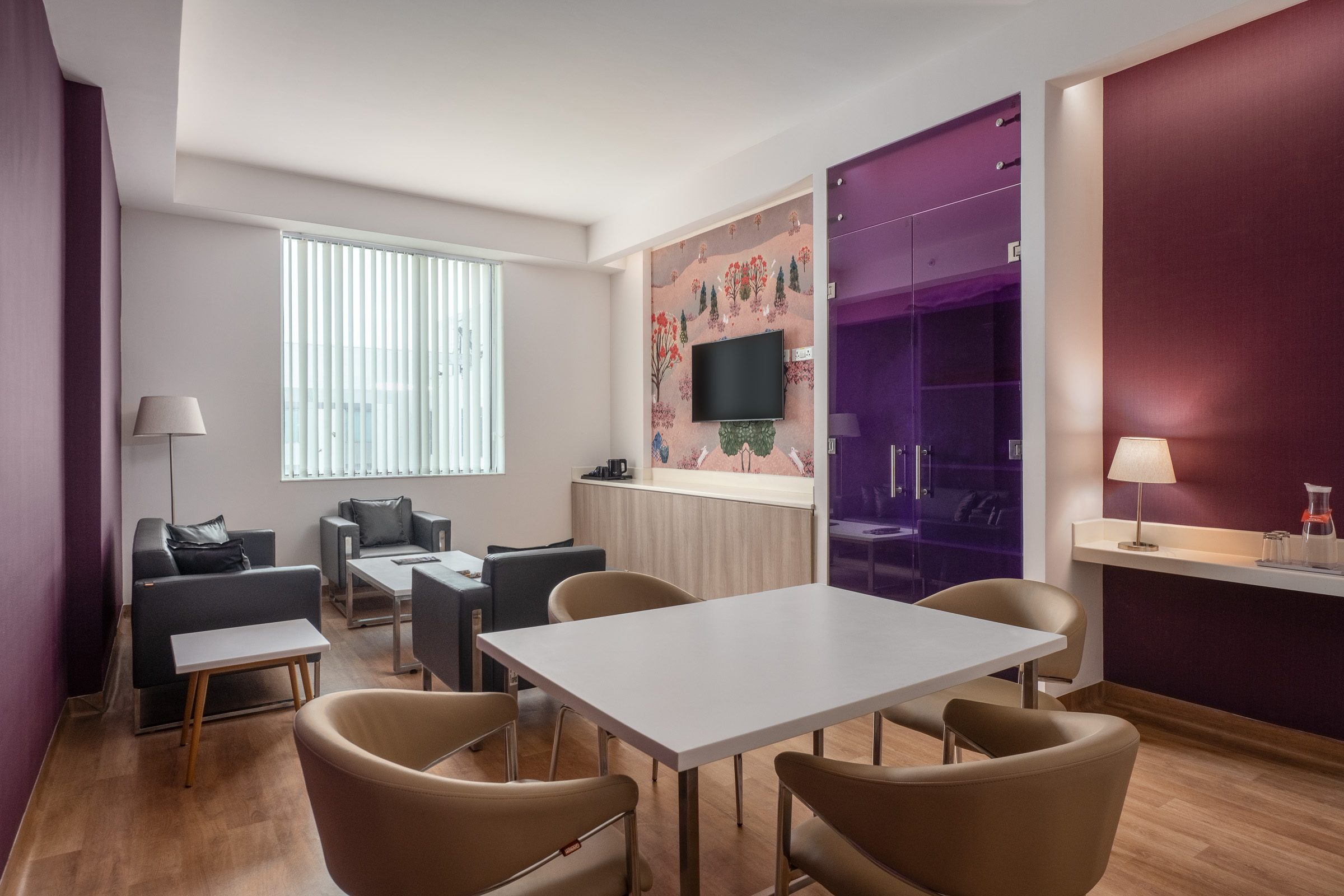
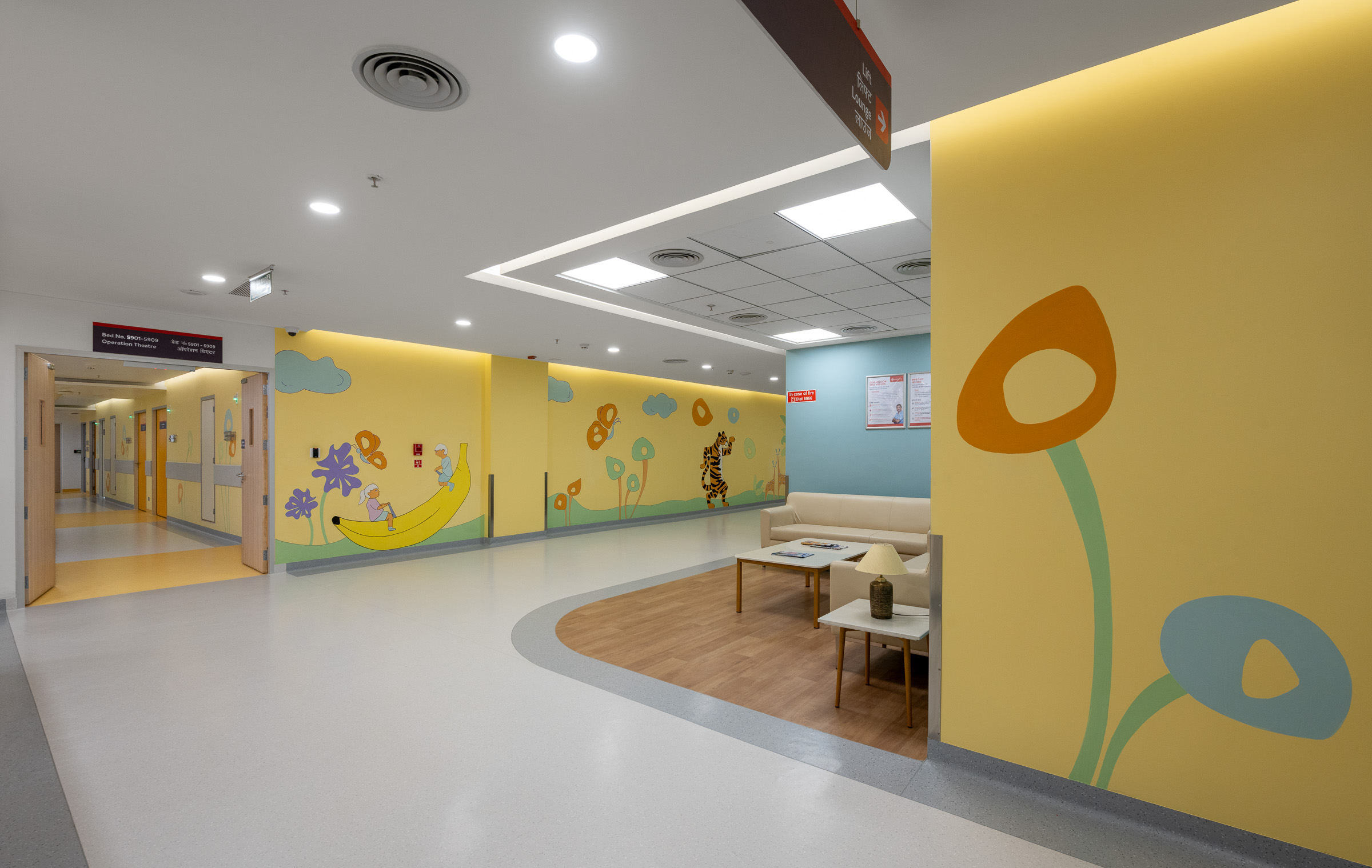
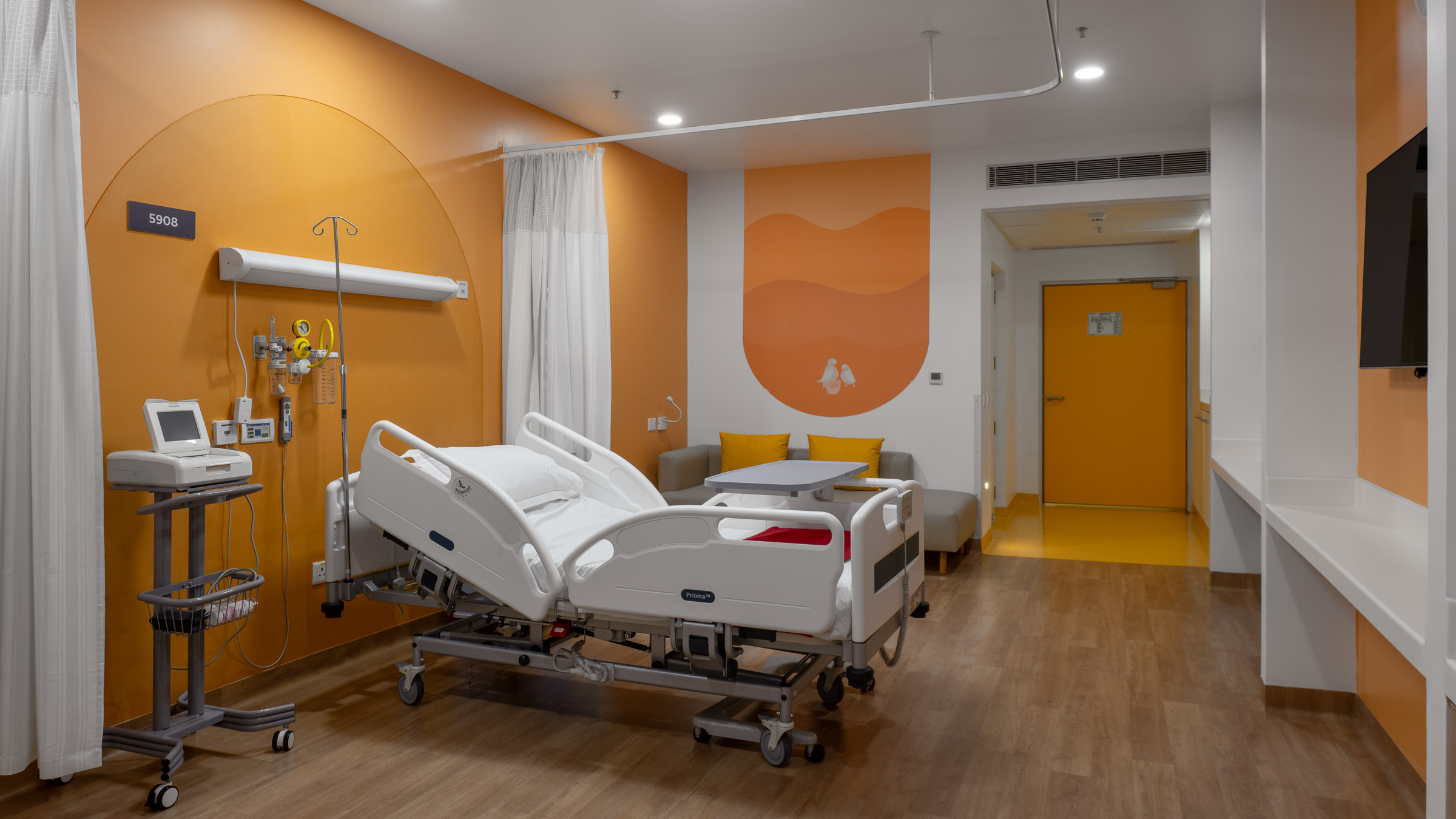
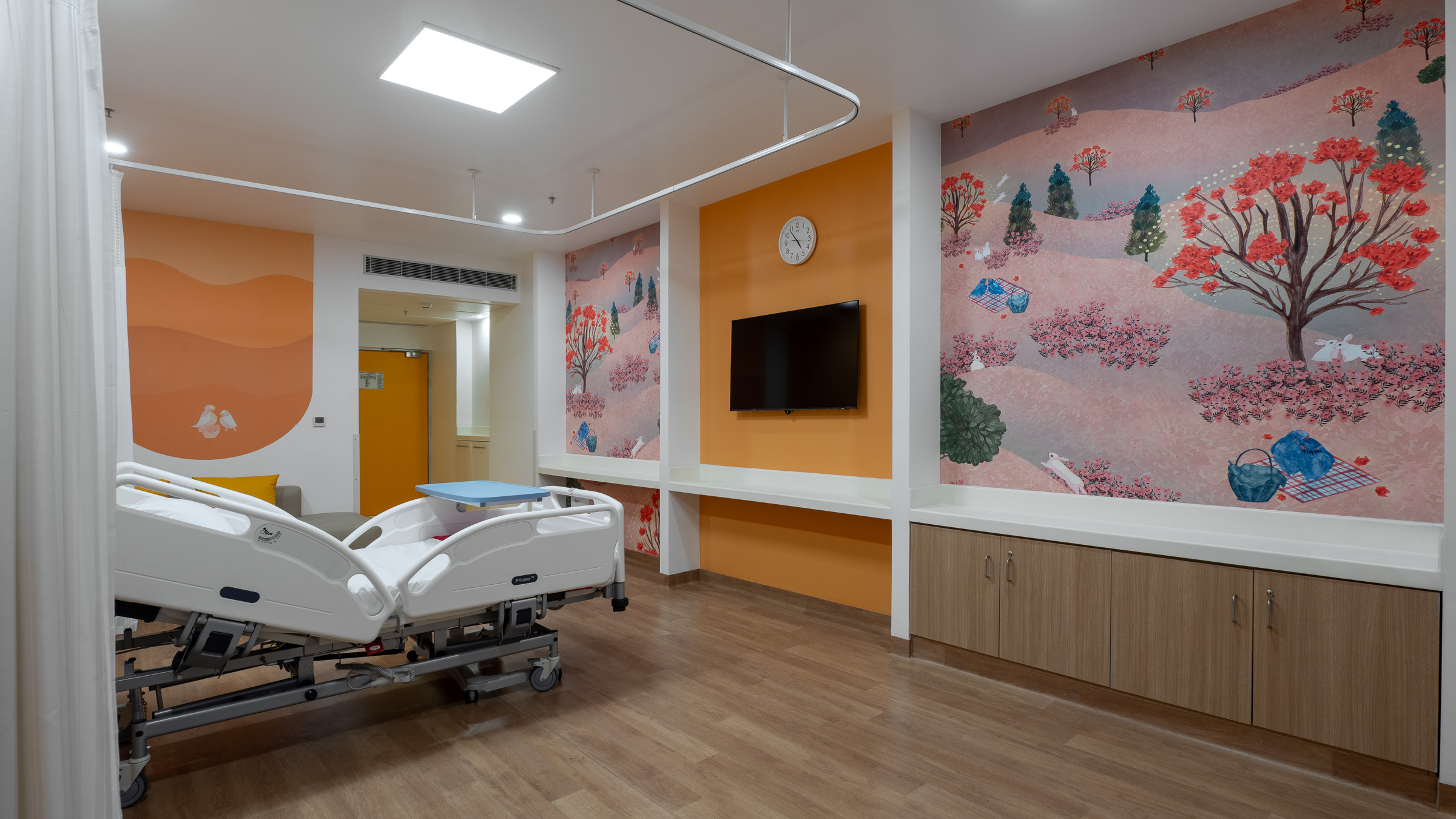
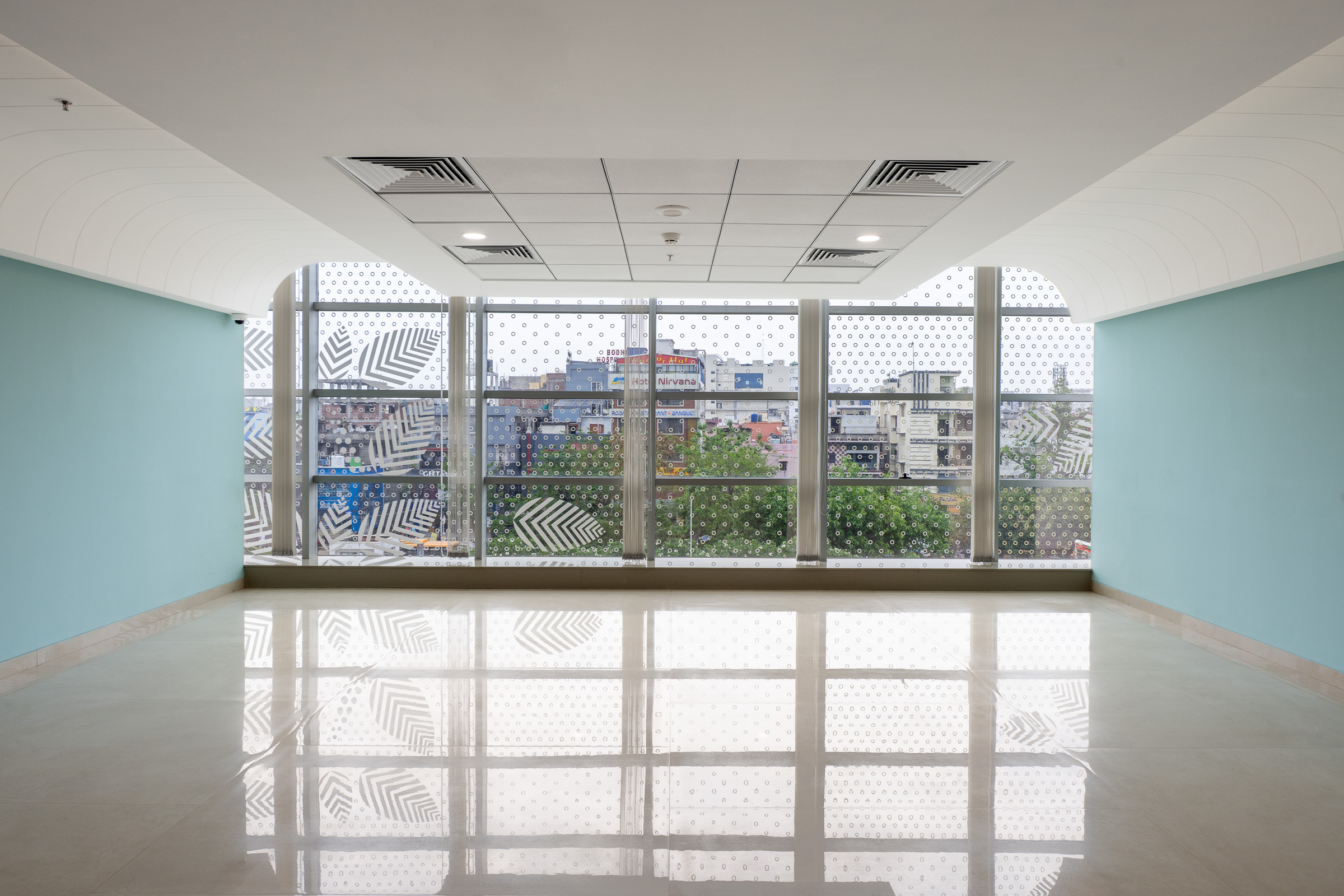
The inpatient floors are planned in an H-shaped configuration, with two wings linked by central circulation cores. This layout allows for separate public and staff corridors, supporting privacy, efficiency, and infection control. Patient rooms and circulation spaces look out onto landscaped terraces and courtyards, ensuring access to daylight, views, and a strong visual connection to nature across all levels.
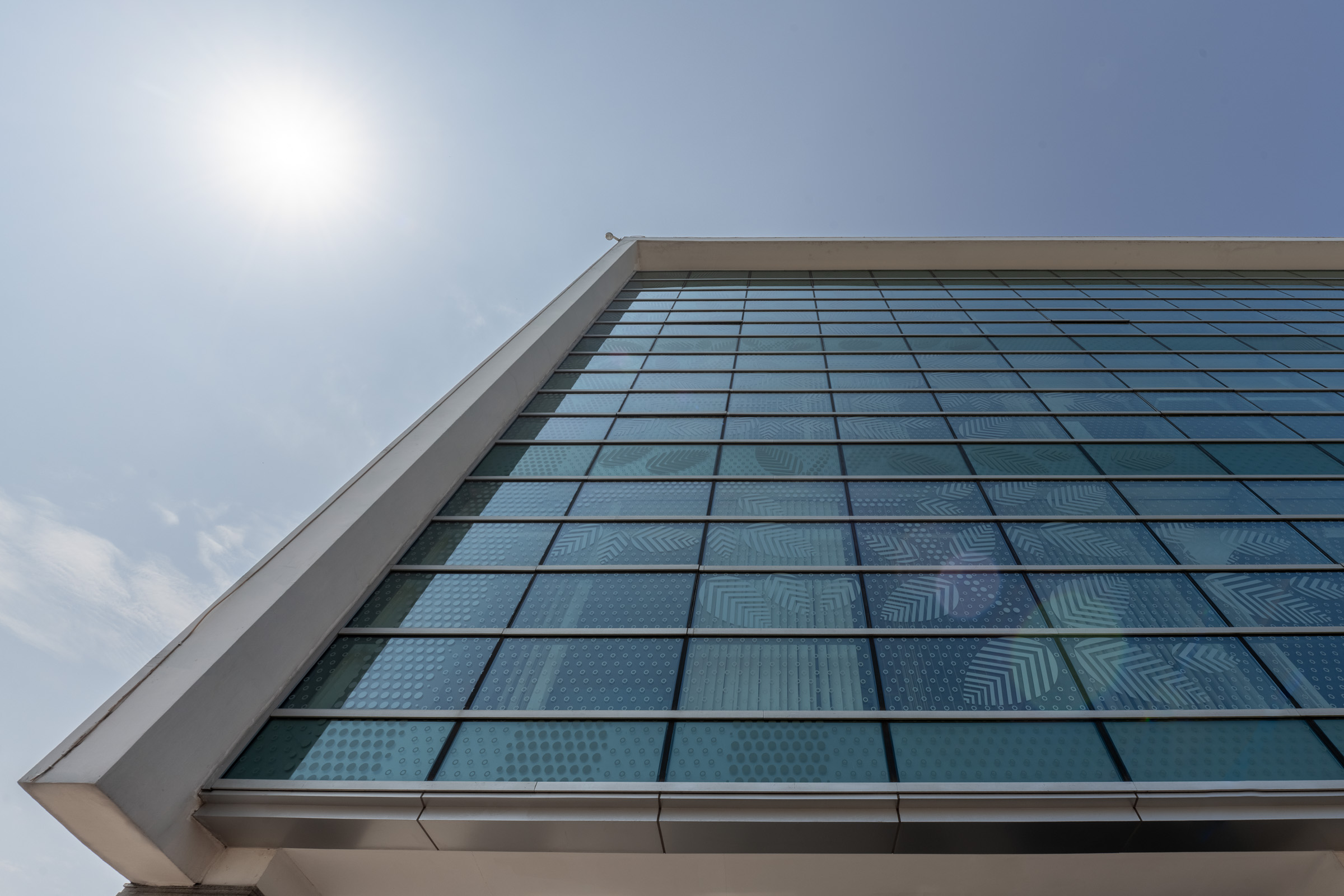
Material choices are intentionally restrained, with stone, plaster, and muted colour palettes selected for their durability, ease of maintenance, and psychological calm. Rather than overt expression, the architecture prioritises clarity, comfort, and long-term performance, allowing care to remain central.
By balancing operational rigor with compassion, Medanta Patna demonstrates how thoughtful architectural design can directly enhance the quality, efficiency, and humanity of healthcare delivery.